1915 Confirmation Photo, Zion Lutheran Church, Chattanooga, Ohio

Recently I was thrilled to get a digital copy of an old Zion Chatt confirmation photo that I had not seen before, thanks to Tom and Deb  Reichard. They found this confirmation photo recently while going through some of Betty (Weinman) Reichard’s photos. Betty, Tom’s mother, passed away a few weeks ago.

The photo is of the 1915 confirmation class of Zion Lutheran Church, Chattanooga, Ohio. Tom and Deb were able to identify one person in the photo, Tom’s grandmother Anna Grauberger. Back then the Graubergers lived a little north of Chatt and attended Zion Chatt. Tom and Deb put two and two together and make the connection to the church.

I was very excited that Deb sent me a copy of this photo because I had not seen this photo before. I recognized the minister Rev. W.F.H. Heuer right away, from other photos I have seen of him. The church records give the names of all the individuals. 
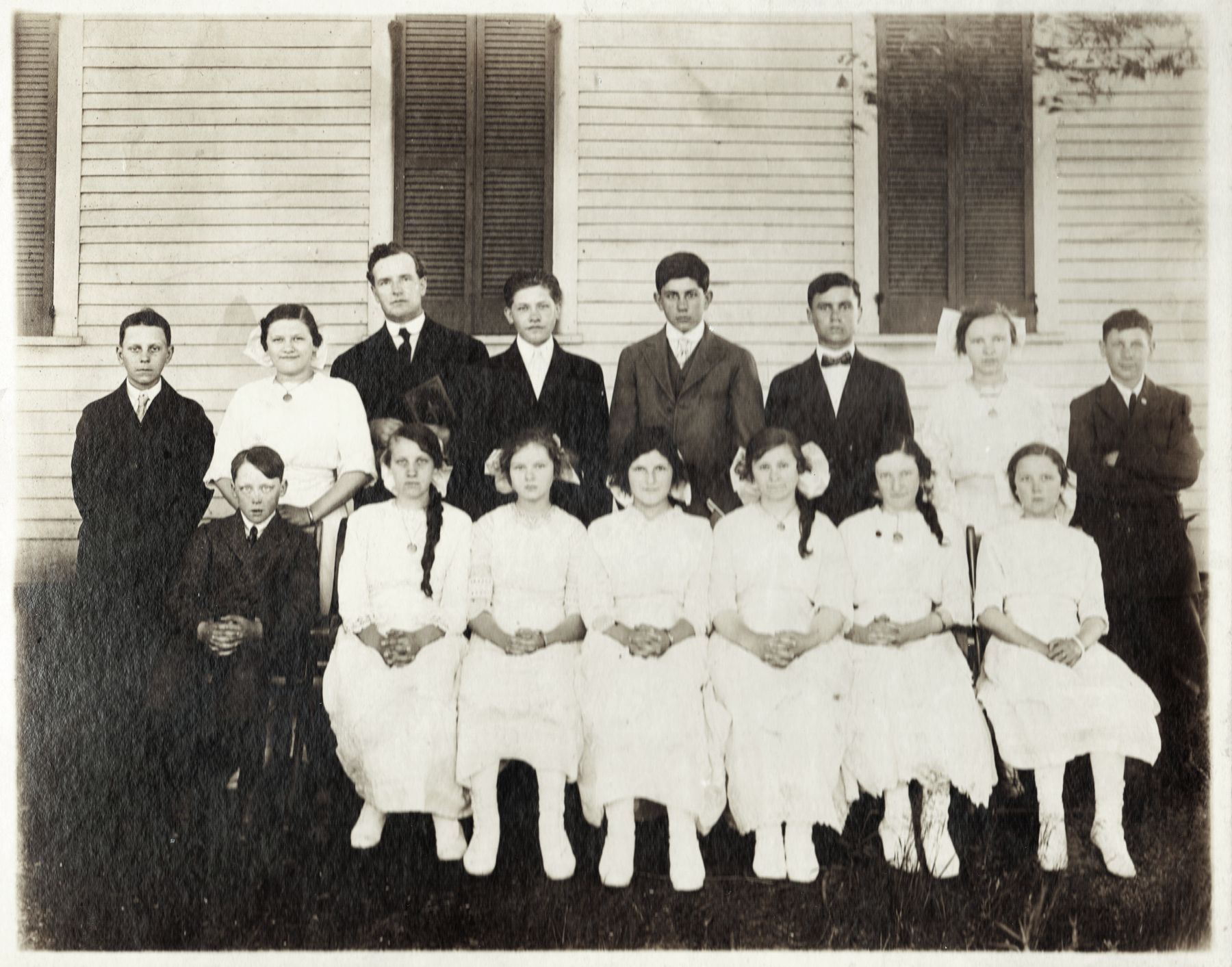
1915 Confirmation class, Zion Lutheran Church, Chattanooga, Ohio. Anna Grauberger, back row, second from right side; Marguerite Verla Heffner, front row, third from left. (Photo courtesy of Tom & Deb Reichard)

The names of those in the confirmation class of 1915:

Samuel Ludwig Allmandinger, Otis LeRoy Becher, Roman Edward Huffman, Nora Lucile Huffman, Hulda Matilda Kessler, Marguerite Verla Heffner, Ernst Henry Becher, Oscar Samuel LeRoy Becher, Emil Friedrich Brandt, Margarethe Martha Brandt, Leona Louisa Becher, Anna Marie Grauberger, Ida Hoehamer, and Frieda Ida Becher.

The class was confirmed 30 May 1915. You can see Rev. Heuer is holding a book with a cross on it, probably a Bible or hymnal. They may be standing in front of the old frame church, which would still have been in use at that time.
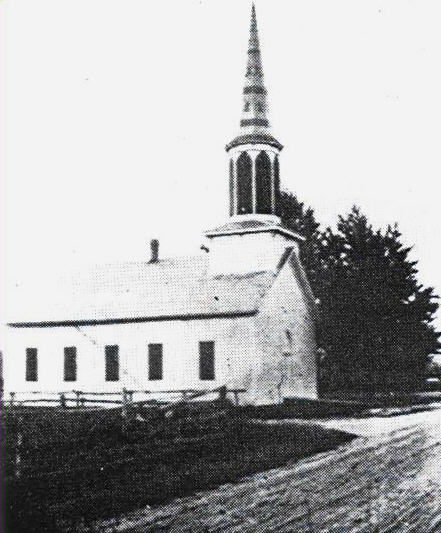
Zion Lutheran, Chattanooga. Frame church 1860-1917. (Photo c1912)

Back in 2005, when Zion Chatt celebrated its 150th anniversary, we gathered as many old confirmation photos as we could find. But we did not have this one!

I have all the names of those who were in that 1915 confirmation class photo, but I can only match the names with two individuals in the photo—the minister, Rev. Heuer, and Anna Grauberger, second from the right in the back row. 

Anna Grauberger (1900-1942) was the daughter of Henry and Emma (Baker) Grauberger. Anna Grauberger married John Reichard and they had one son, Eugene Reichard, who married Betty Weinman. Eugene and Betty were Tom’s parents. Anna (Grauberger) Reichard is buried in Zion Chatt’s cemetery. [1]

You can certainly identify Anna Grauberger in the group photo when you see her individual confirmation photo:
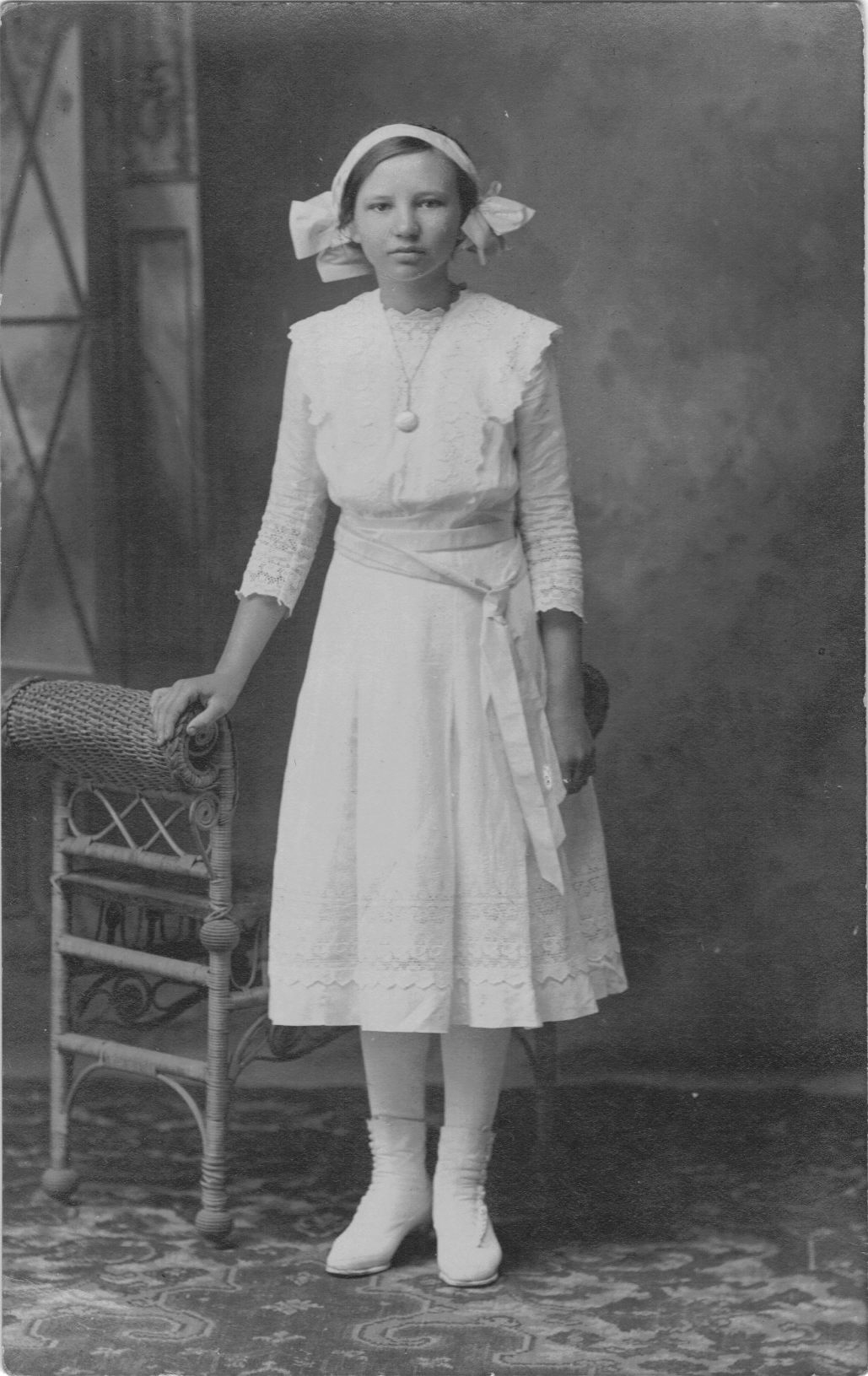
Anna Grauberger confirmation photo, . (photo courtesy of Deb Bollenbacher Reichard)

Unfortunately I cannot match the names to the rest of the individuals. If anyone has seen this photo before and can put a name to a face in the photo, I would appreciate hearing from you. Maybe someone notices a certain family resemblance. It is always nice to be able to identify people in a photo, but so often that becomes nearly impossible as time passes.

At least we have all the names of the confirmands.

What a find and how exciting to see this old photo! Thank you, Tom and Deb!

Note: since I first posted this photo, a couple more people in the photo have been identified. Front row (seated), left to right: first girl is Frieda Becher; third girl is Marguerite Verla Heffner (married a Roebuck); fourth girl is Leona Becher. Thank you for helping to identify these people!

[1]Tombstone Tuesday—Anna M. (Grauberger) Reichard,” 15 Jul 2014, Karen’s Chatt, (www.karenmillerbennett.com).
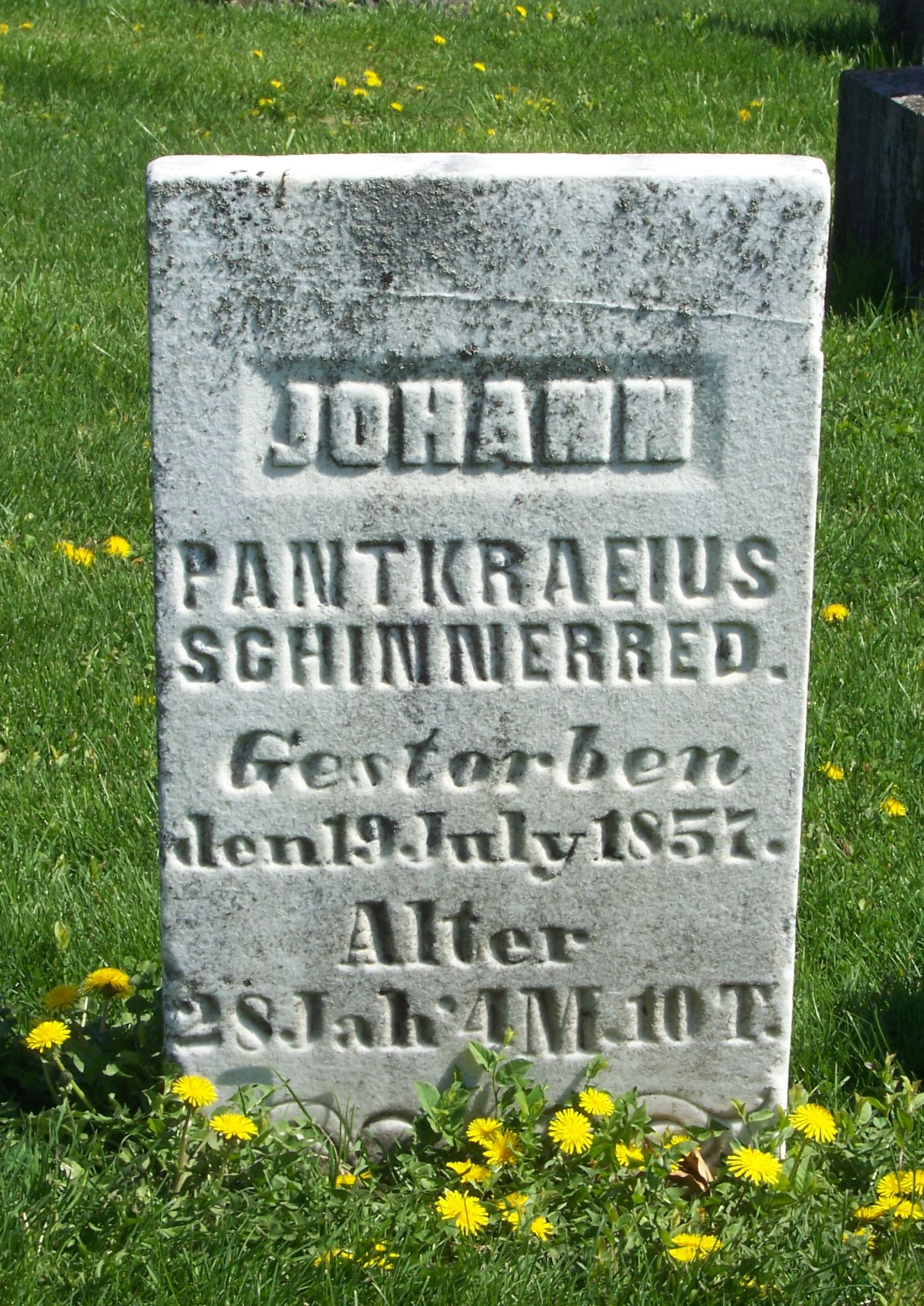
Tombstone Tuesday–Johann Pankratius Schinnerer

Johann Pankratius Schinnerer, Zion Lutheran Cemetery, Van Wert County, Ohio. (2012 photo by Karen)

This is the tombstone of Johann Pankratius Schinnerer, located in row 5 of Zion Lutheran Cemetery, Schumm, Van Wert County, Ohio. The marker is inscribed:

JOHANN
Pantkraeius
Schinnerred
Gestorben
Den 19 July 1857
Alter
28 Jah 4M 10T

Johann, Pantkraeius Schinnerred, died 19 July 1857, aged 28 years, 4 months, 10 days.

This is a tombstone that I use as an example of how information can be incorrect, even if the information is chiseled in stone. Both his first and last names are misspelled. But a name like Pankratius Schinnerer was probably not difficult to misspell. And it would have been just about impossible to correct something inscribed in marble. The engraver just could not erase the mistake and start all over.    

Johann Pankratius Schinnerer was born 25 March 1829 in Ipsheim, near Windsheim, in the Kingdom of Bavaria. He was the fourth of seven children born to George Michael and Anna Barbara (Zeller) Schinnerer. His unusual name probably came from Saint Pancras/Pancratius, a young boy who was martyred in Rome in 304.  

Pankratius Schinnerer and his brother Martin sailed to America together on the ship Amelia. They set sail from the port at Havre, France, and arrived in New York on 26 August 1852. They were listed on the ship’s passenger list as Pangraz, age 23, and Mrtin, age 18, both male, both from Bavaria.

Soon after they immigrated, Pankratius and his brother Martin settled in the Schumm area, near where their brother Friedrich had settled a couple years before. Their brother Friedrich Schinnerer was my great-great-grandfather and owned a grist mill near Rockford, and later lived just east of Willshire.

Pankratius Schinnerer married Rosina Hoffmann/Hofman on 25 November 1853. They were married at home and both were members of Zion Schumm’s congregation. Rosina was also a German immigrant.

Pankratius and Rosina had 4 children in the short time they were married, but only one lived to adulthood and he never married:

Maria Margaretha Anna (1854-1855)
Margaretha Katharina (1856-1861)
Stillborn child (1857)
Johann “Martin” (1858-1933), never married

Pankratius Schinnerer died 8 July 1857, after a 7-week long illness involving his liver. He was only 28 years old and was not in America long enough to be enumerated in a census. His wife Rosina was pregnant with their fourth child when he passed away.

Pankratius’ brother Frederick was the executor of his estate. Pankratius owned nearly 100 acres in Sections 28 and 33, east of Willshire, around State Route 81 and south to the St. Marys River.  

There is yet another discrepancy concerning his tombstone. Zion Schumm’s records indicate that Pankratius died 8 July, but his tombstone is inscribed with his date of death as 19 July.

According to his tombstone, Pankratius’ date of birth would have been 7 March 1829. But I use 25 March 1829 as his date of birth, as that is the date shown in the Evangelical Lutheran church records from Ipsheim.

Pankratius’ widow Rosina married twice after his death, first to George Geisler in 1858, with whom she had 5 children. Her second husband George died in 1872 and she married Johann Lutz in 1877. Rosina (Hoffmann) Schinnerer Geisler Lutz died 28 November 1899, at the age of 70. She is buried in row 7 of Zion Schumm’s cemetery.

A Visit to Harmony, PA

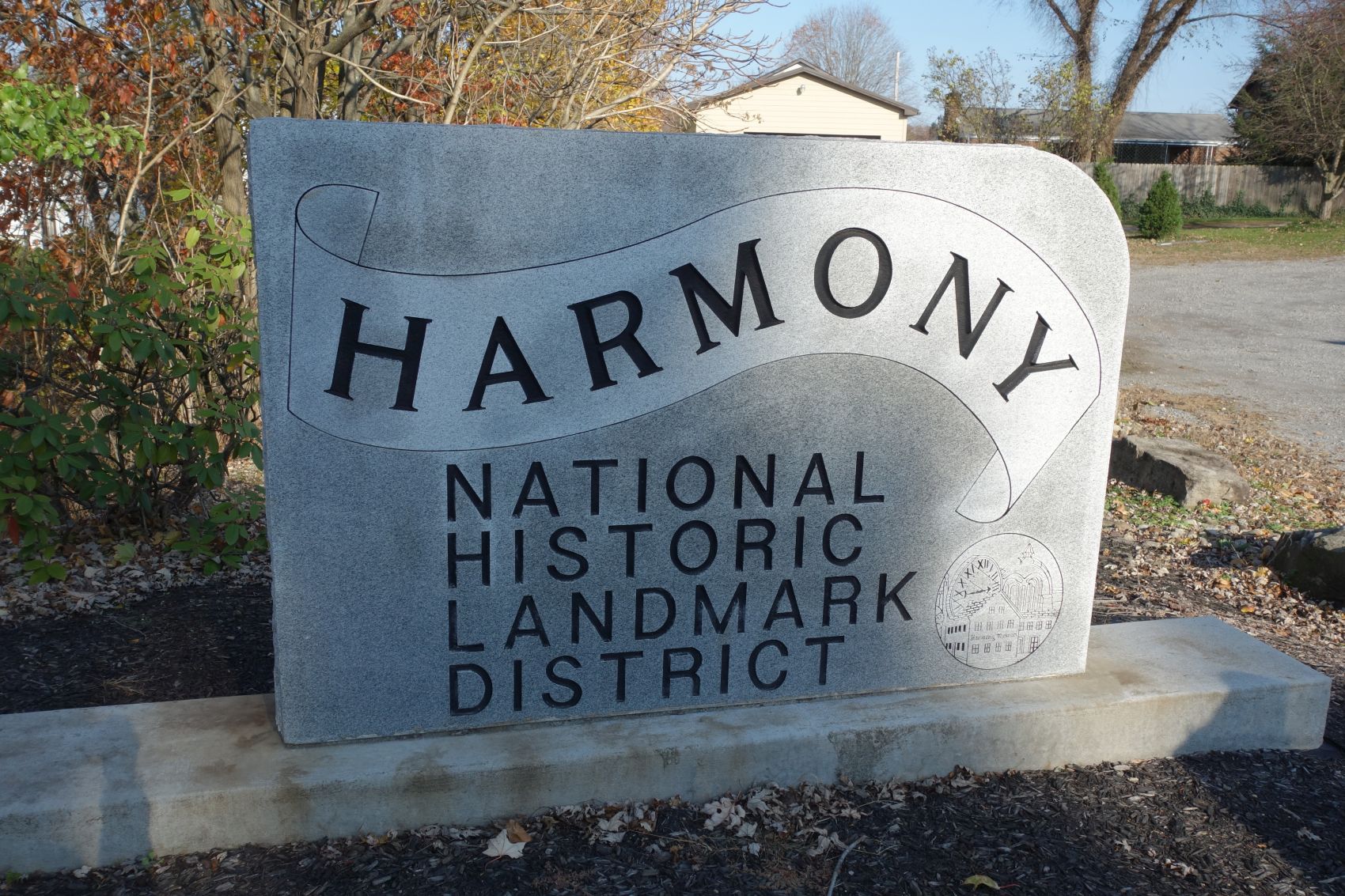
A couple weeks ago we traveled to Harmony, Pennsylvania, where we stayed a couple days with my cousin Linda and had the chance to visit my Aunt Ruth, who turns 100 next month. Harmony is located in Butler County, about ½ hour north of Pittsburgh.

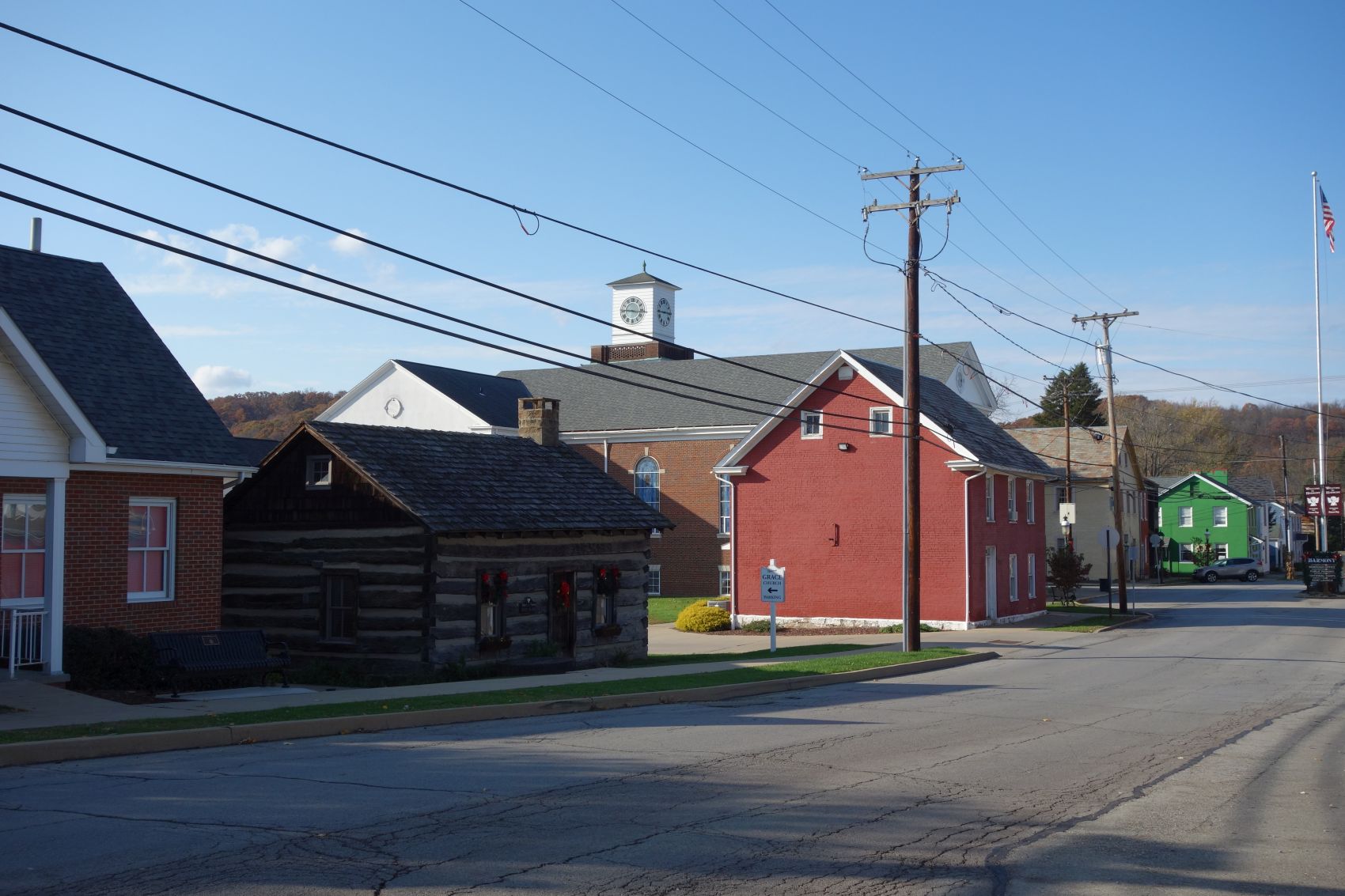
View of Harmony, from the Harmonist Cemetery (2019 photo by Karen)

Harmony, PA (2019 photo by Karen)

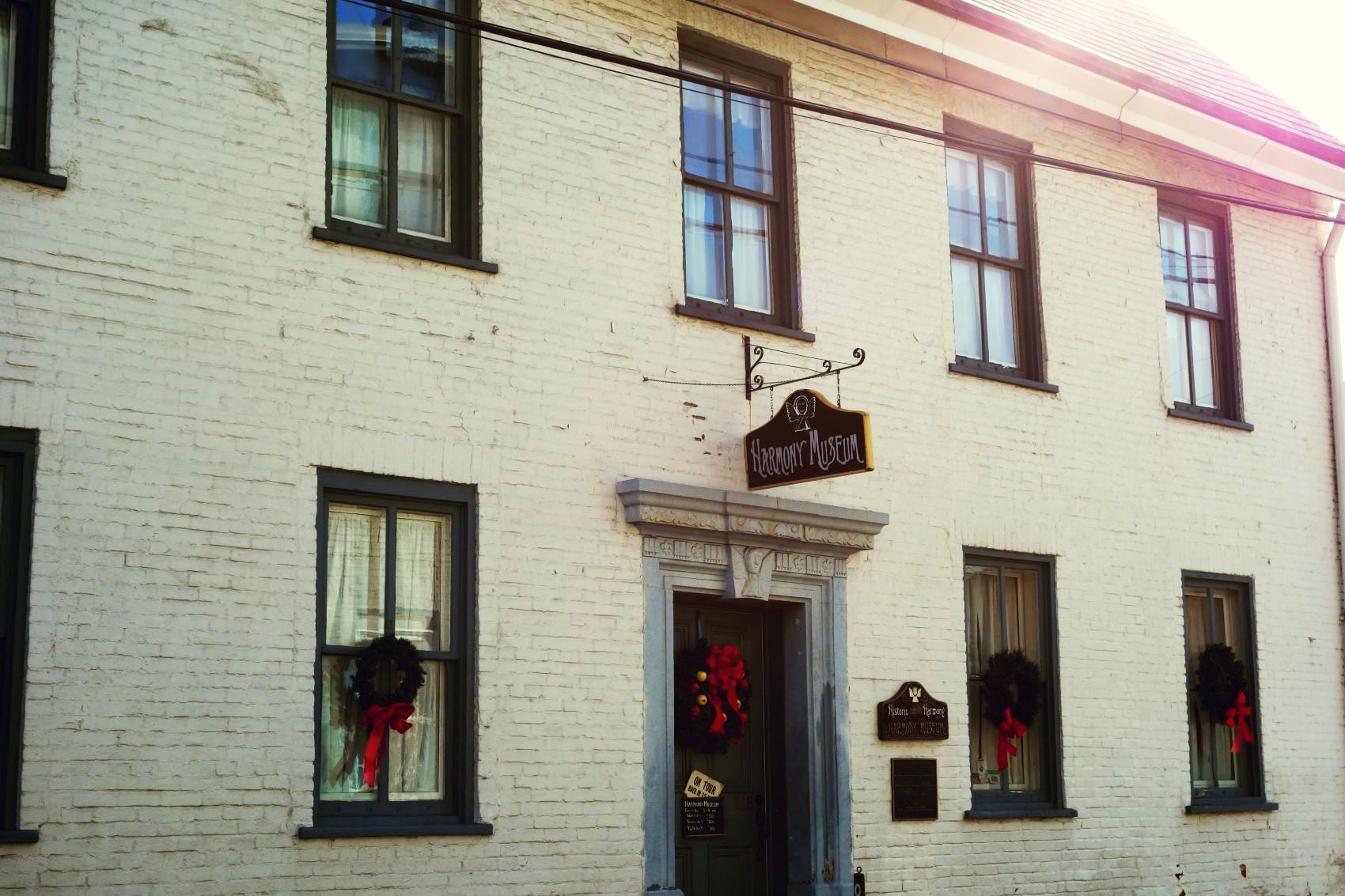
The weather was very nice when we arrived and Linda was our guide on a walking tour around historic Harmony. It is a beautiful town with many nice historic buildings and homes. For years Linda and Ruth have been involved in the Harmony Historical Society and Museum, which preserves the history of the Harmonites.

Harmony Museum (2019 photo by Karen)

We hadn’t been to Harmony for about 40 years and we enjoyed seeing the town again.

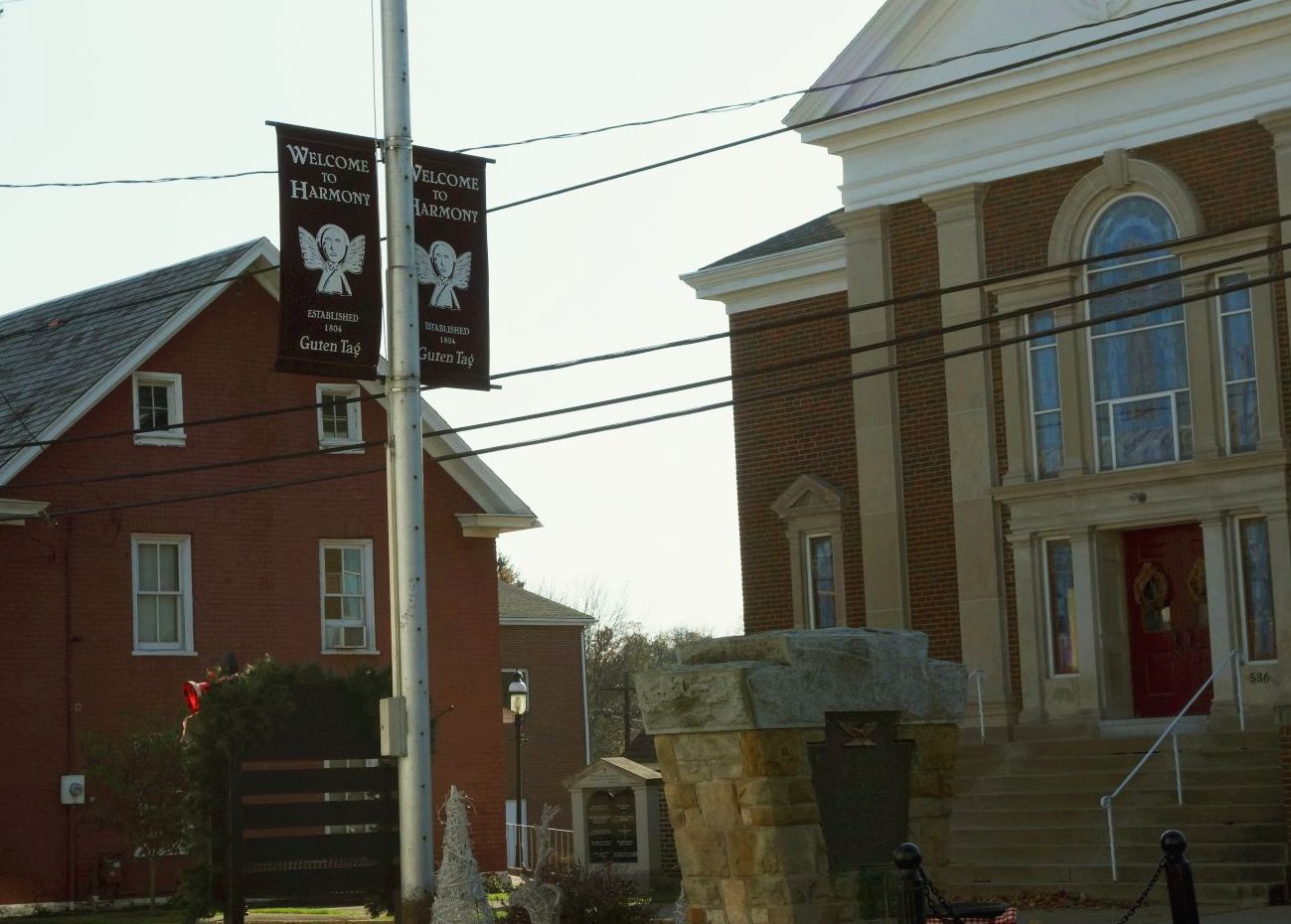
Harmony Banners, with George Rapp insignia. (2019 photo by Karen)

Today, some photos I took while in Harmony, Pennsylvania, a couple weeks ago.

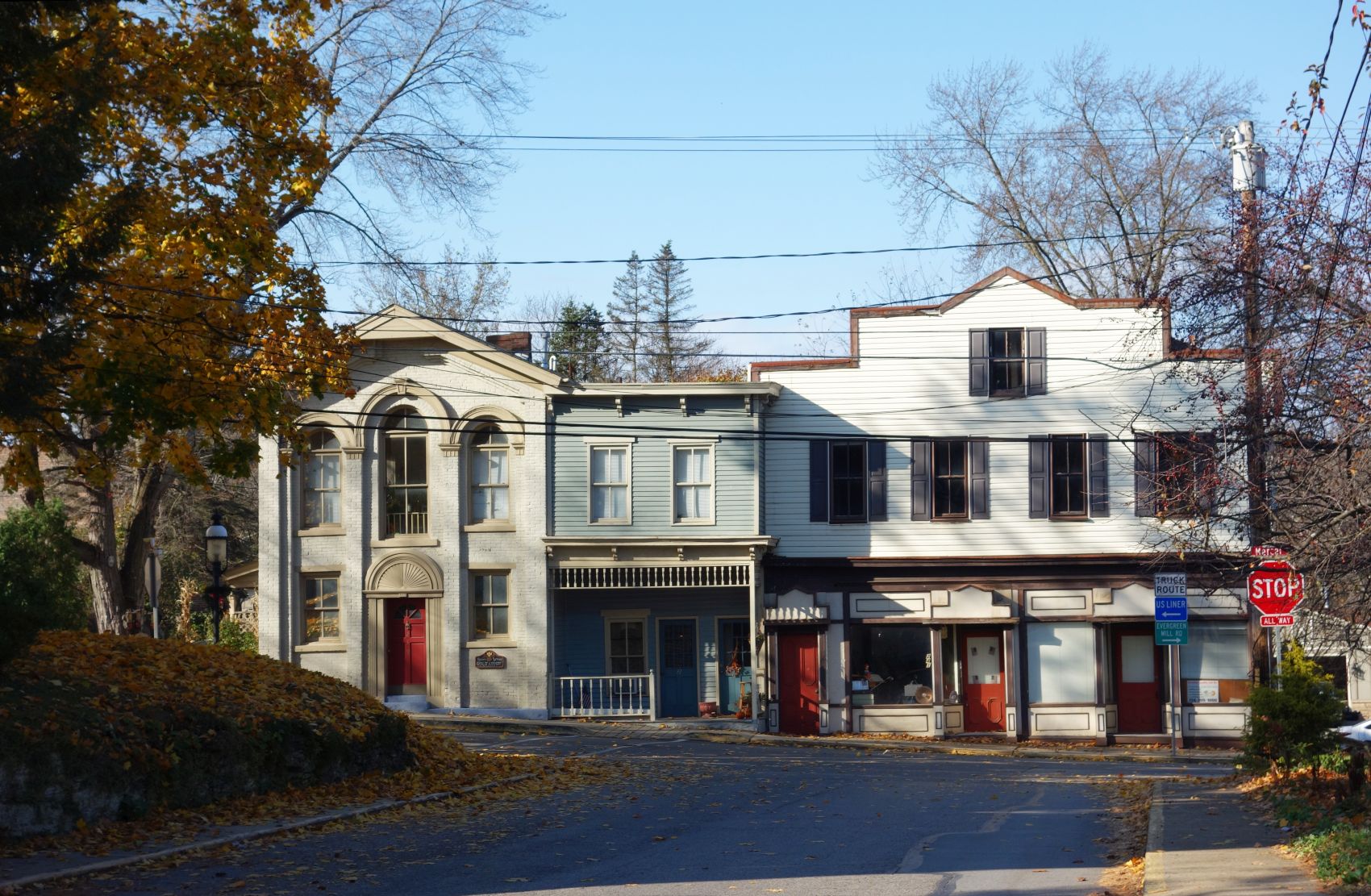
Harmony, PA (2019 photo by Karen)

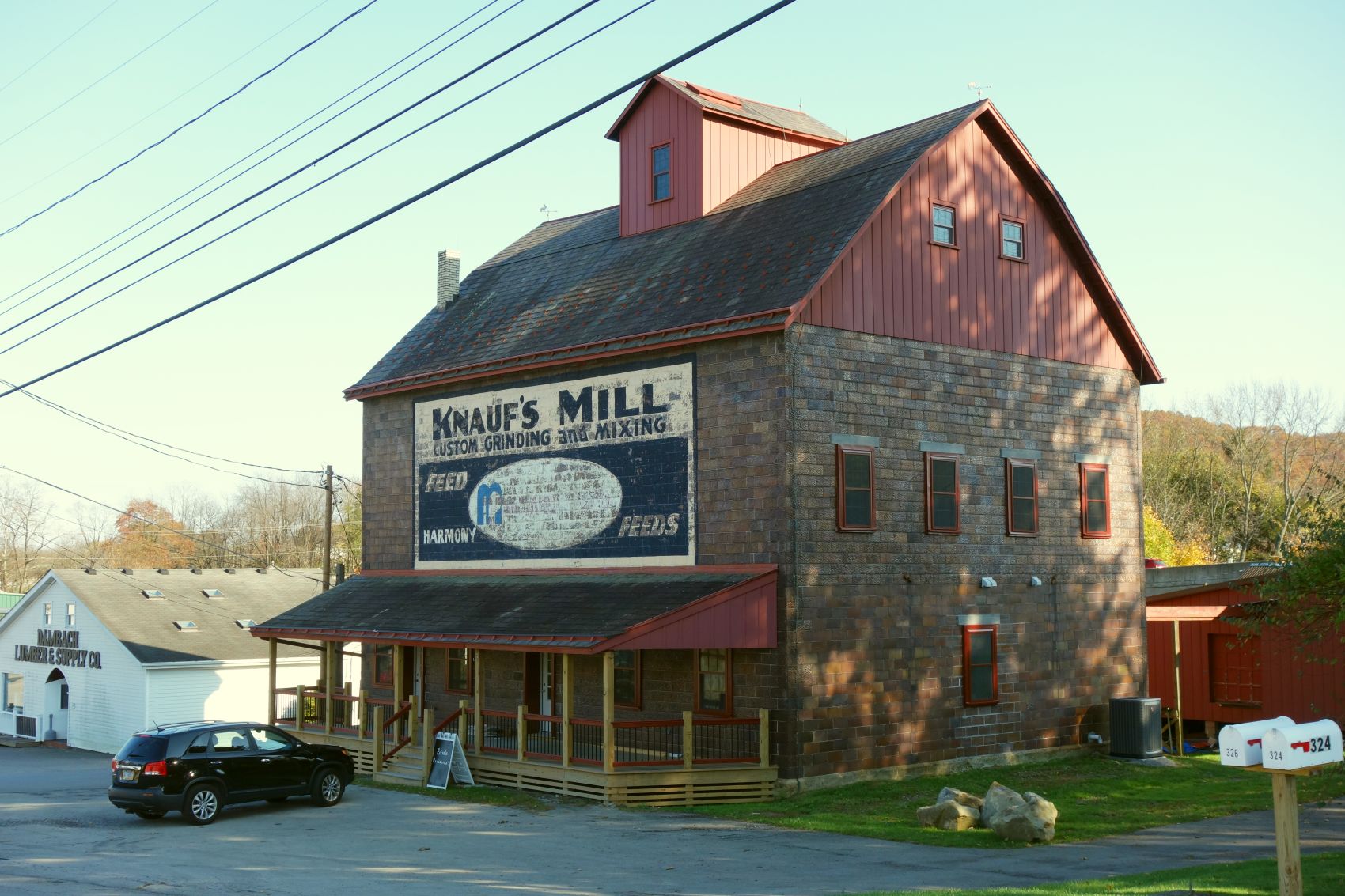
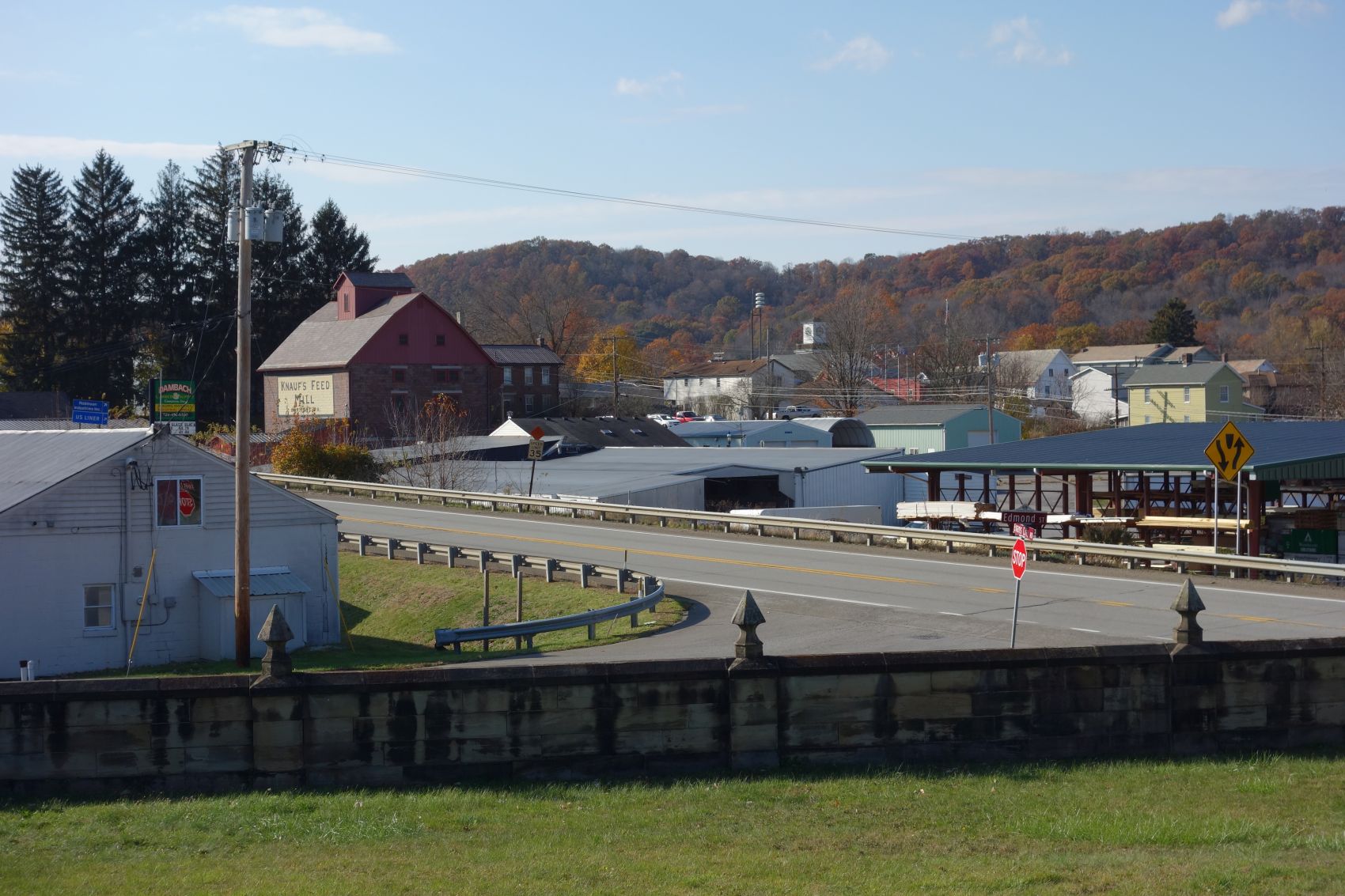
Knauf’s Mill, Harmony, PA (2019 photo by Karen)


Historical Sign, Harmony Museum (2019 photo by Karen)

The historical sign by the Harmony Museum gives a brief history of the town:

Harmony. First home of Harmony Society, founded 1804, by George Rapp and German followers. In 1814 moved to New Harmony, Indiana, and settled at Economy in present Ambridge, Beaver County, in 1825.

George Rapp came to America from Wuerttemberg seeking religious freedom for himself and his followers, called Harmonists. The Harmony Society was a communal society, a group of German Lutheran Separatists. One source says Rapp combined the philosophy and writing of the early Christians and Karl Marx. [1]

In 1814 the Harmonists sold the town to Mennonite Abraham Ziegler and moved to Indiana Territory. There they founded town of New Harmony, along the Wabash River. They moved back to Pennsylvania in 1824, founded the town of Economy, but they eventually died out because of their celibate lifestyle. The Mennonite community lasted in Harmony until 1904.

The Harmonists did not use tombstones, but the Mennonites did. The Mennonites erected the one lone tombstone in the Harmonist Cemetery, that of Johannes Rapp, the son of the Society’s founder George Rapp. [2]

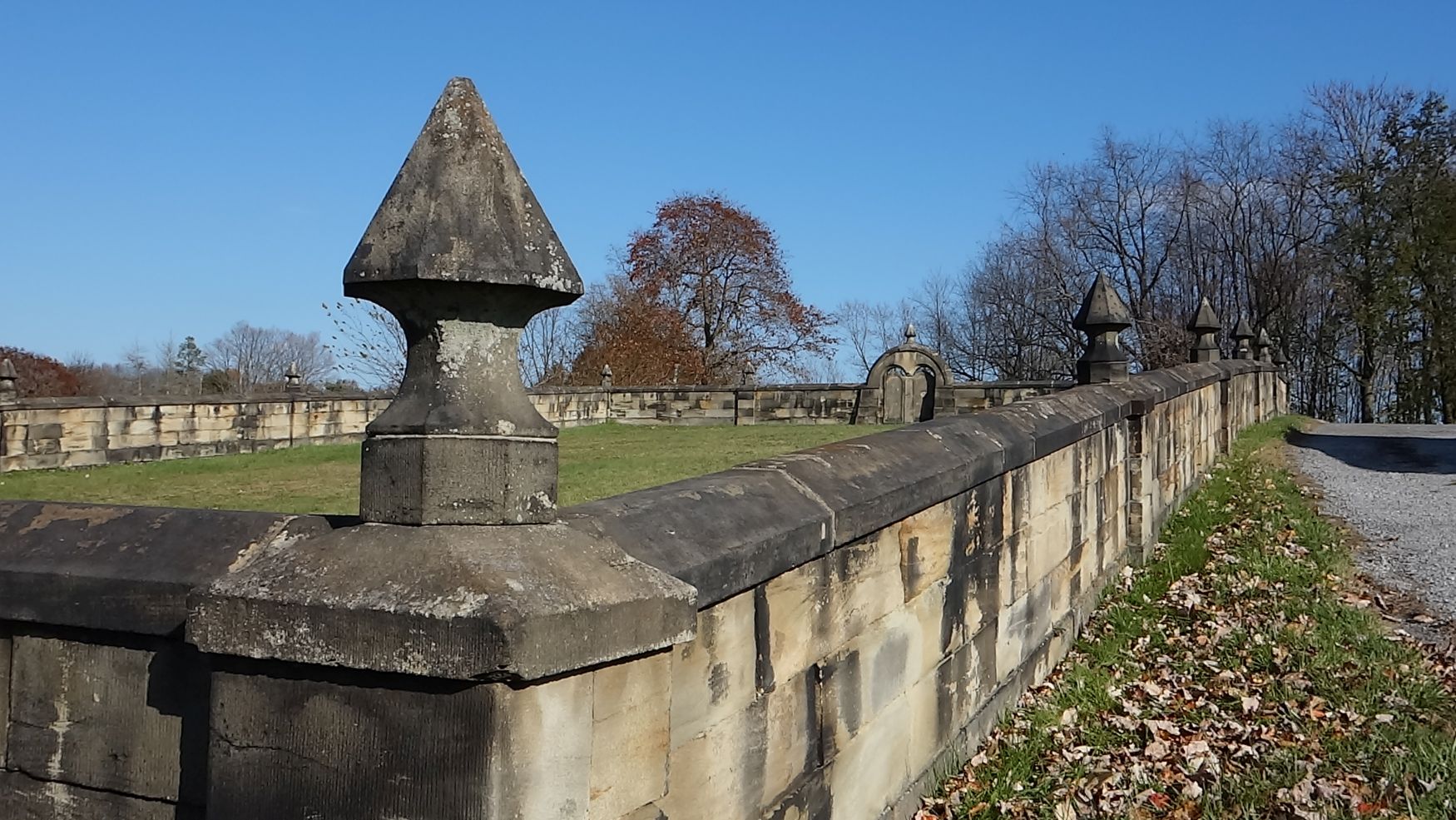
Harmonist Cemetery, Harmony, PA. (2019 photo by Karen)

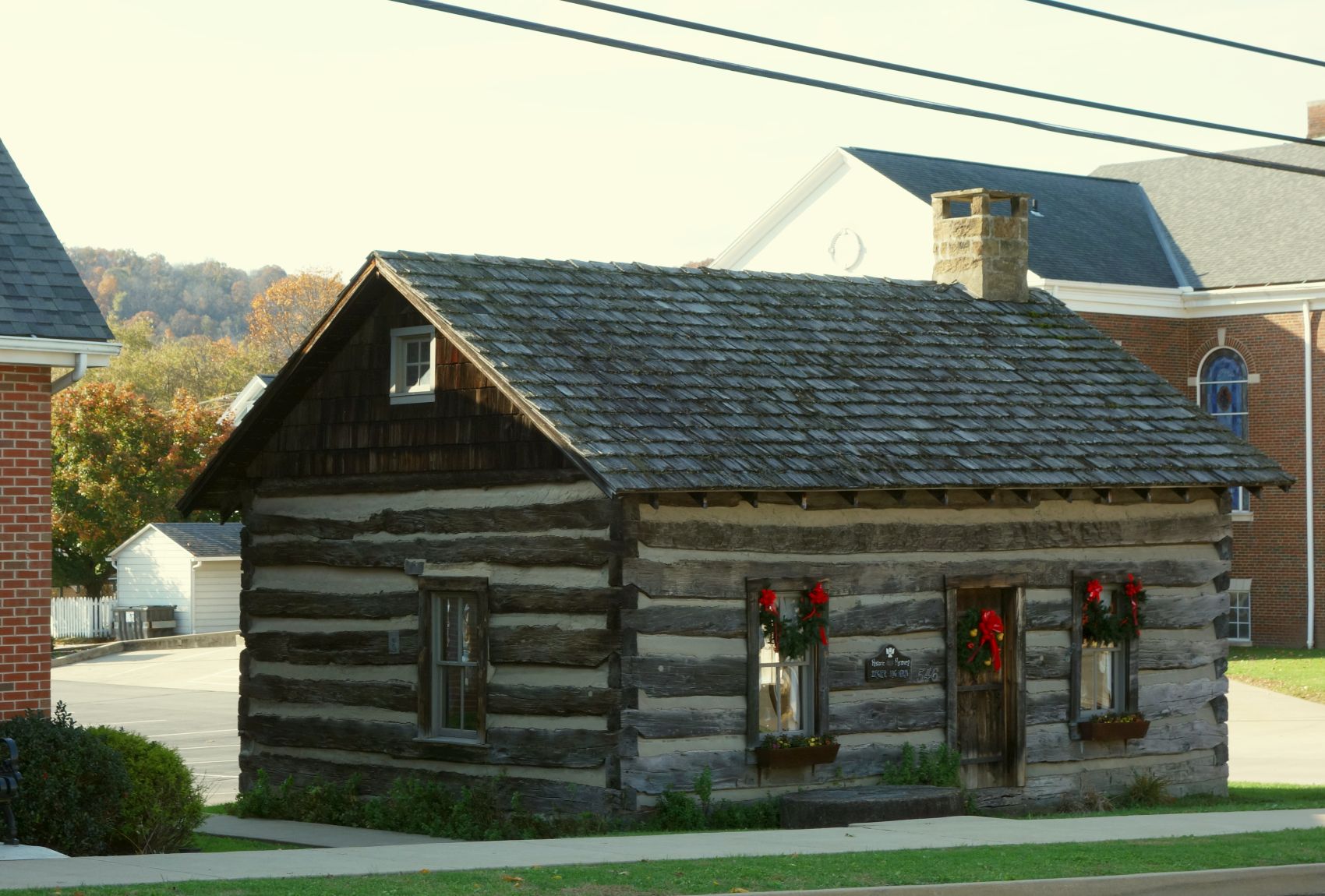
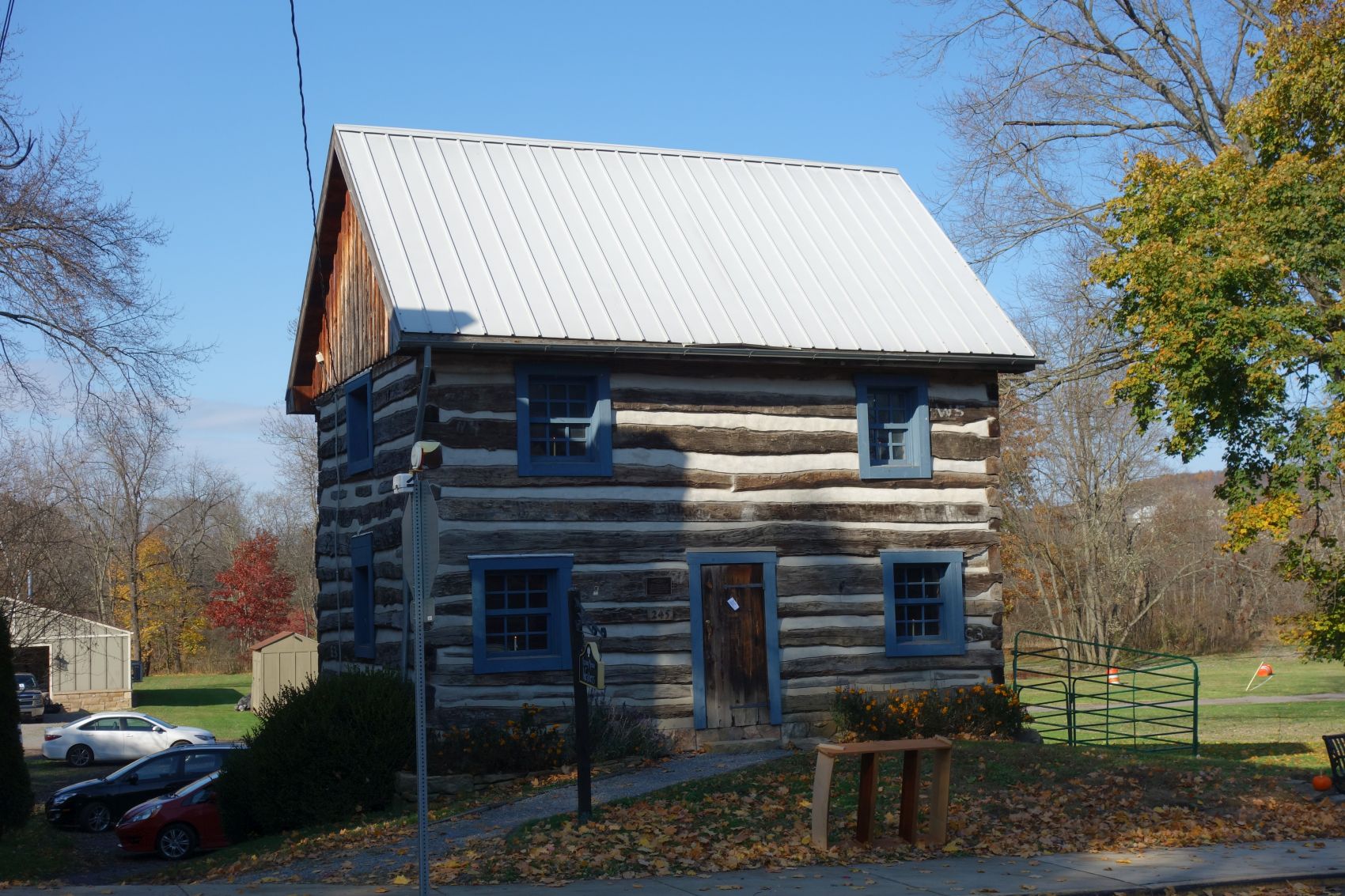
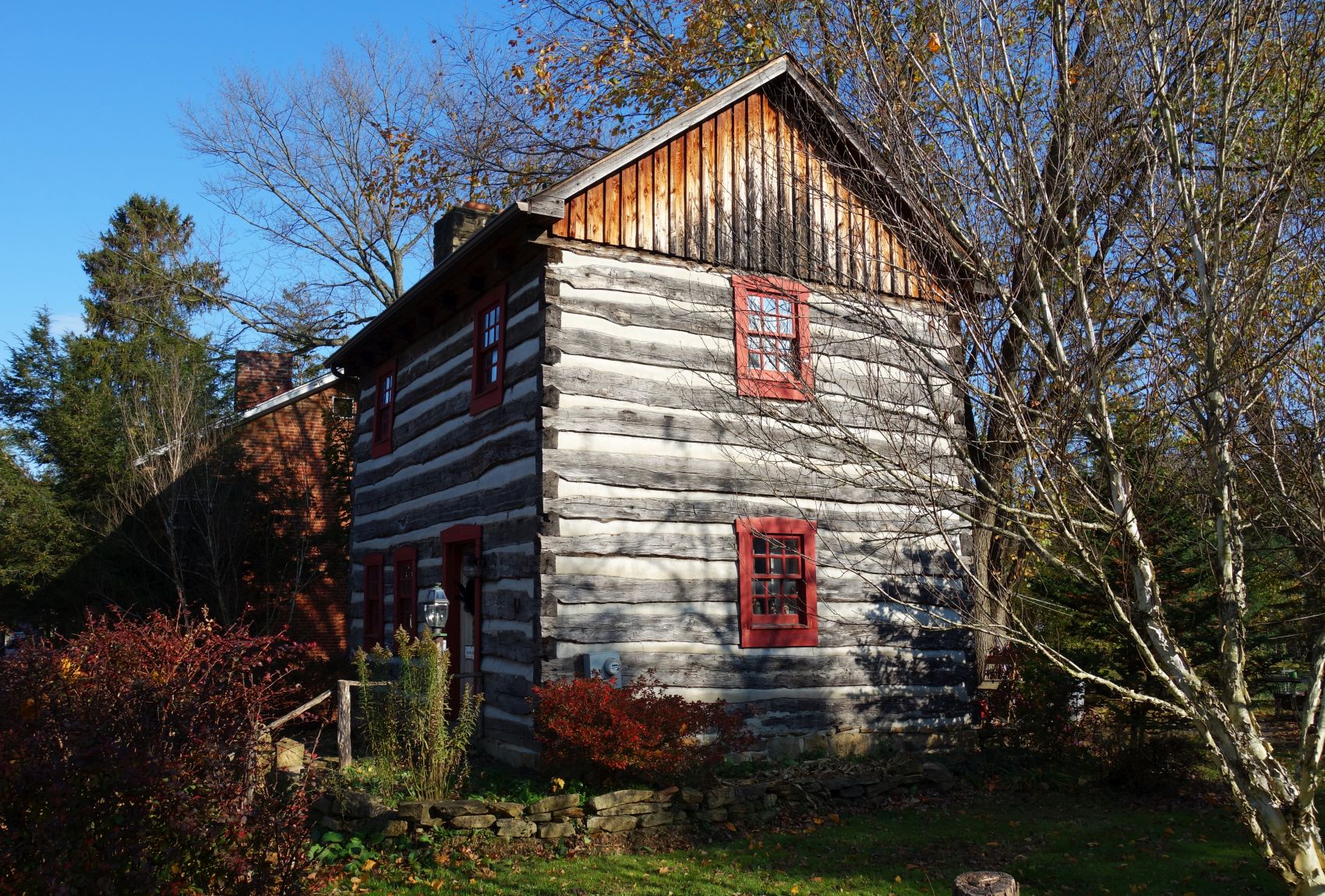
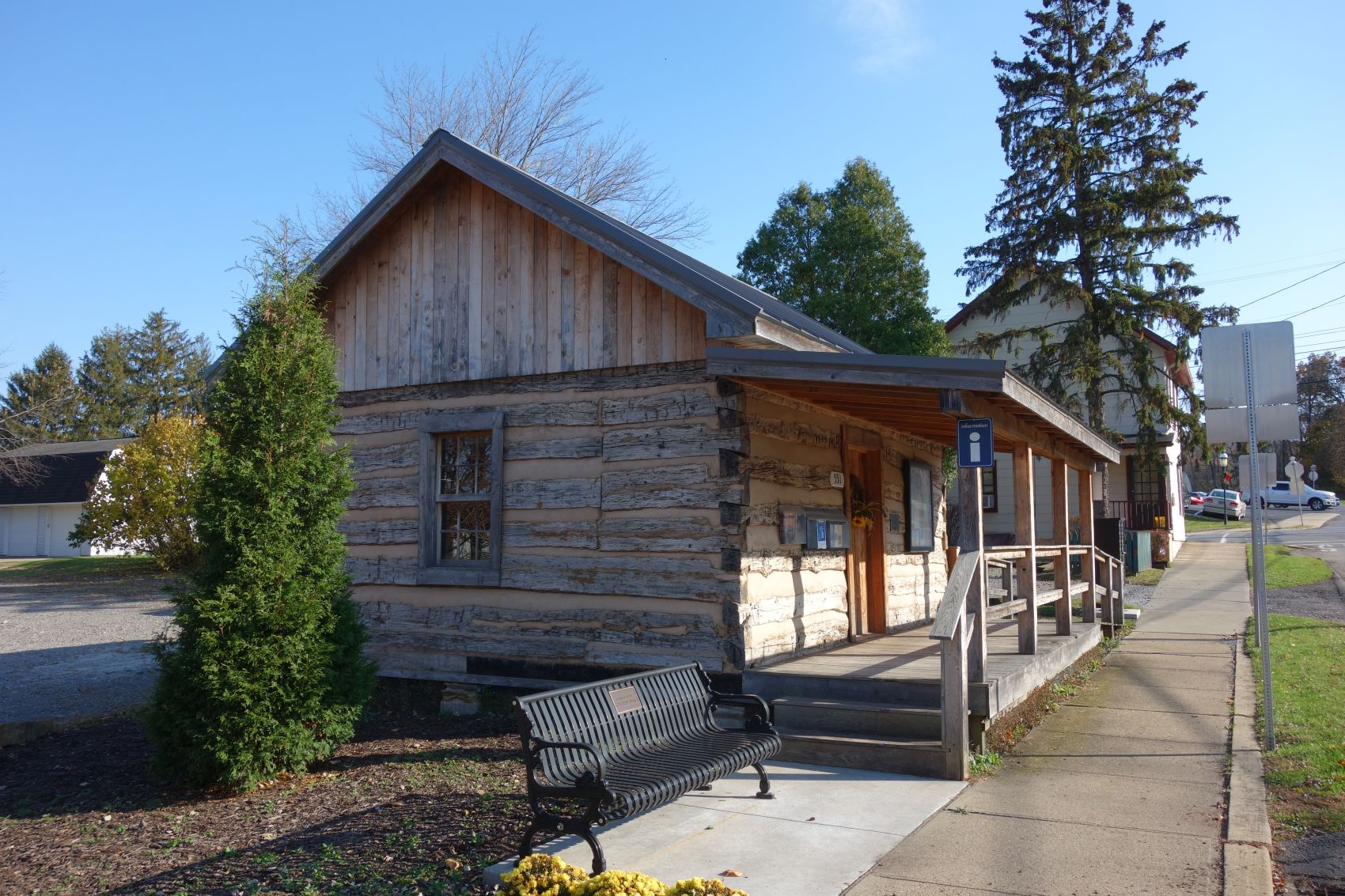
There were several log homes in Harmony:

Ziegler’s log home, now part of the Harmony Museum. (2019 photo by Karen)

Weavers Cabin, Harmony, PA (2019 photo by Karen)

Log home, now a residence, Harmony, PA (2019 photo by Karen)

Kodel House, new log structure, Harmony, PA (2019 photo by Karen)

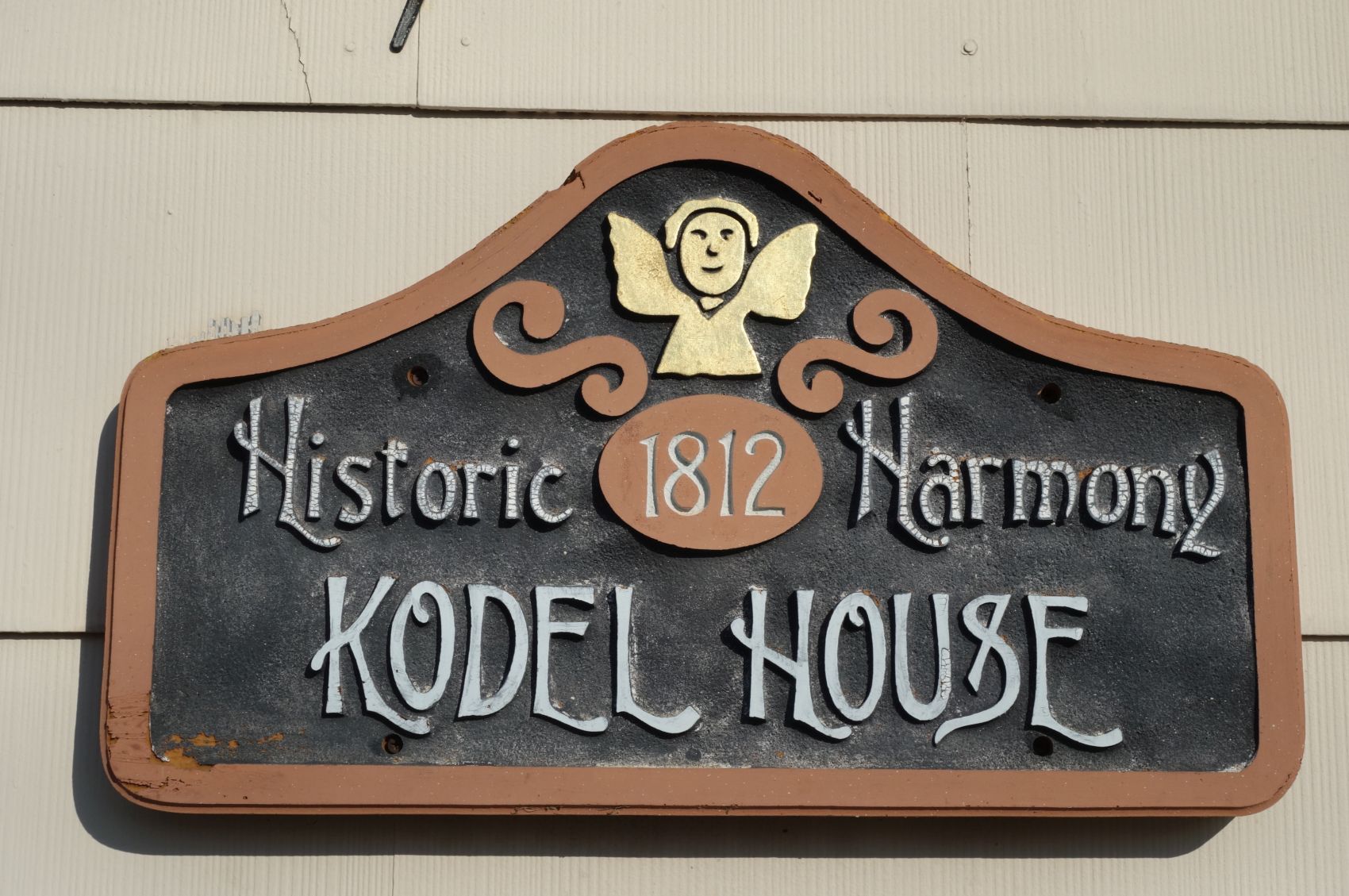
Kodel House historic sign, Harmony, PA (2019 photo by Karen)

Many of the historic buildings and homes had an historic sign with the Harmonist logo.

A home built by the Harmonists:

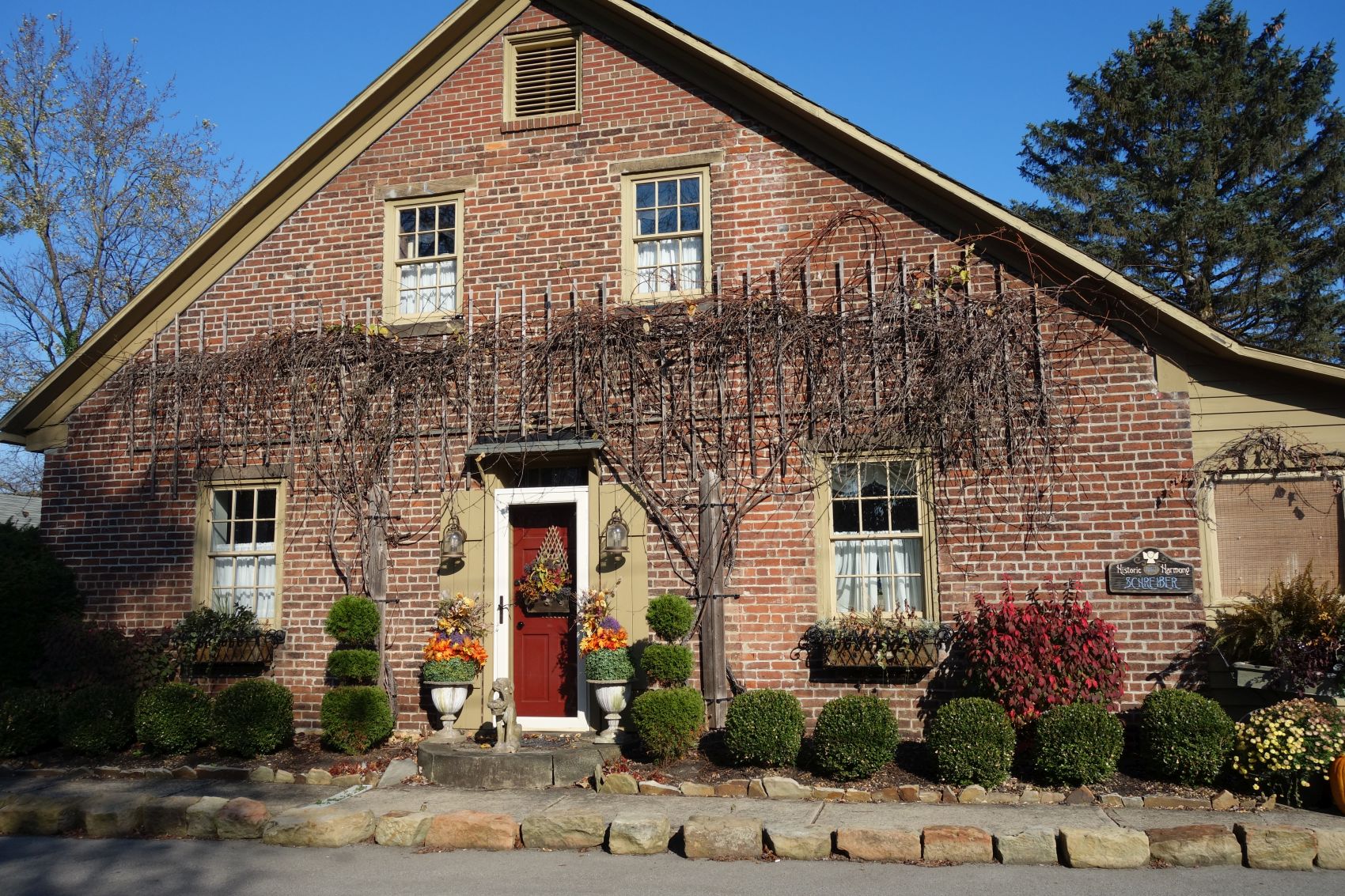
Harmonite home, Harmony, PA, once owned by Aunt Ruth. (2019 photo by Karen)

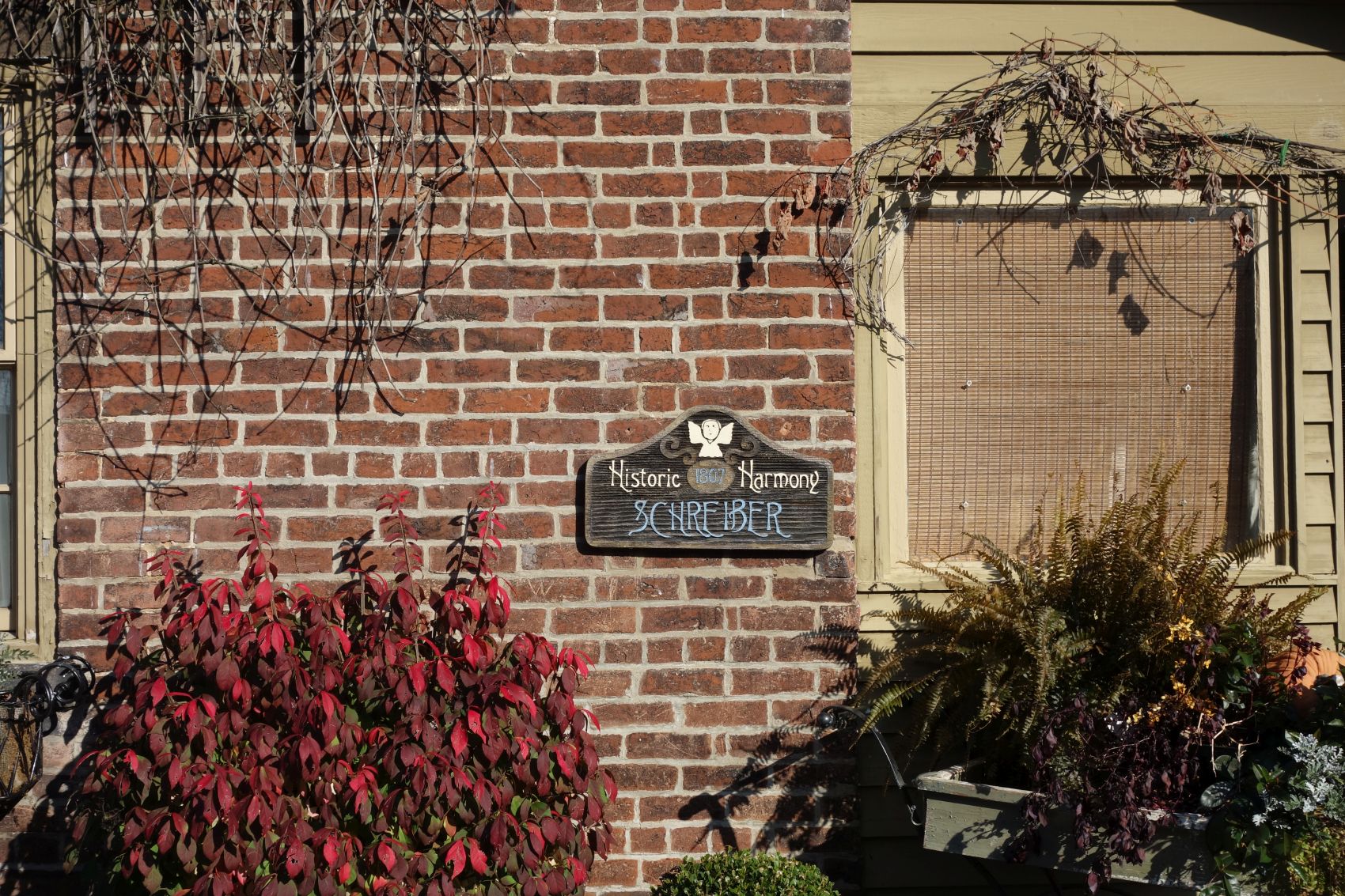
Historic sign on Harmonite home, Harmony, PA (2019 photo by Karen)

The Harmony Inn, where we had a delicious dinner, local craft beer, and live entertainment:

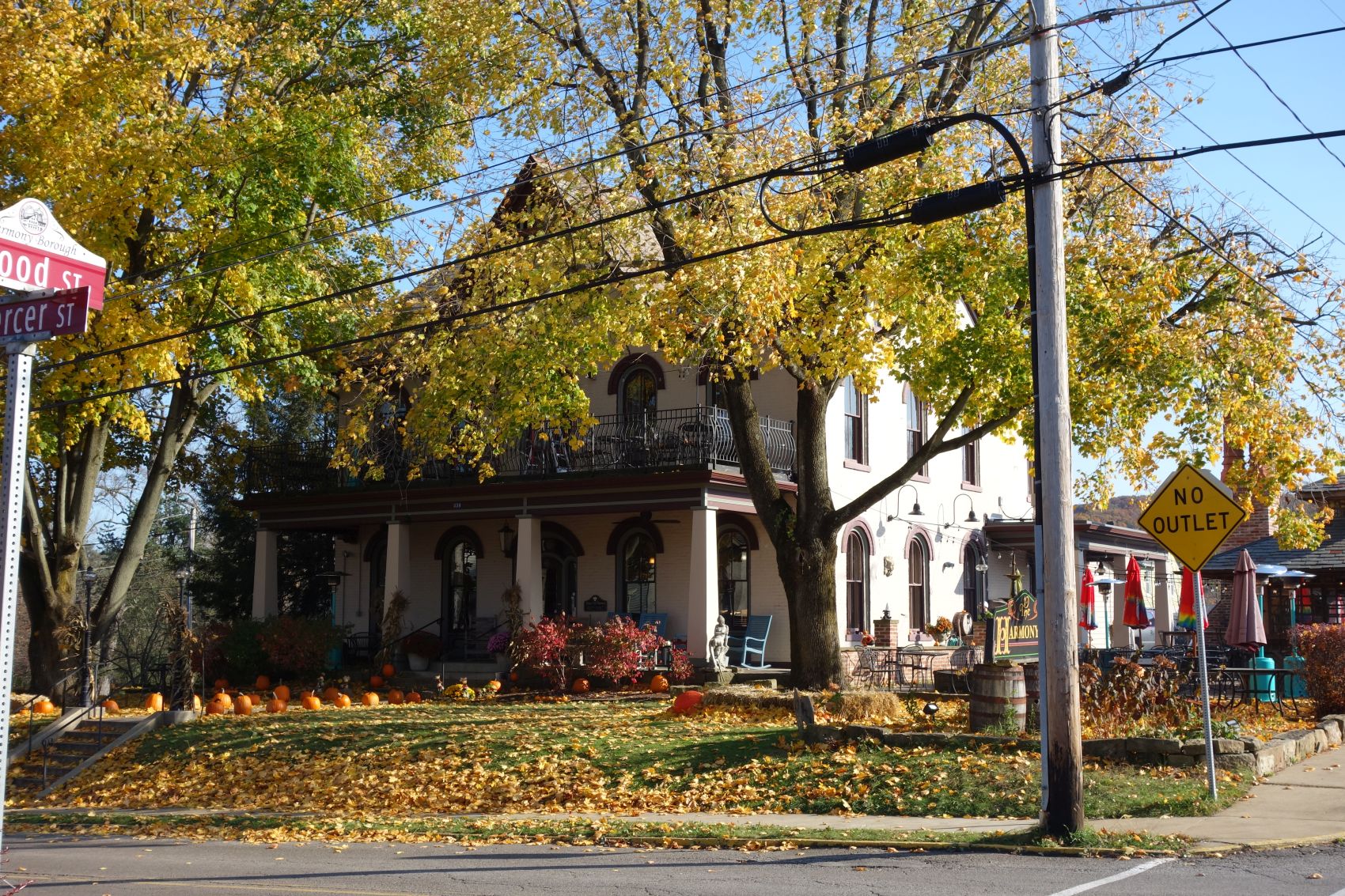
Harmony Inn, Harmony, PA (2019 photo by Karen)

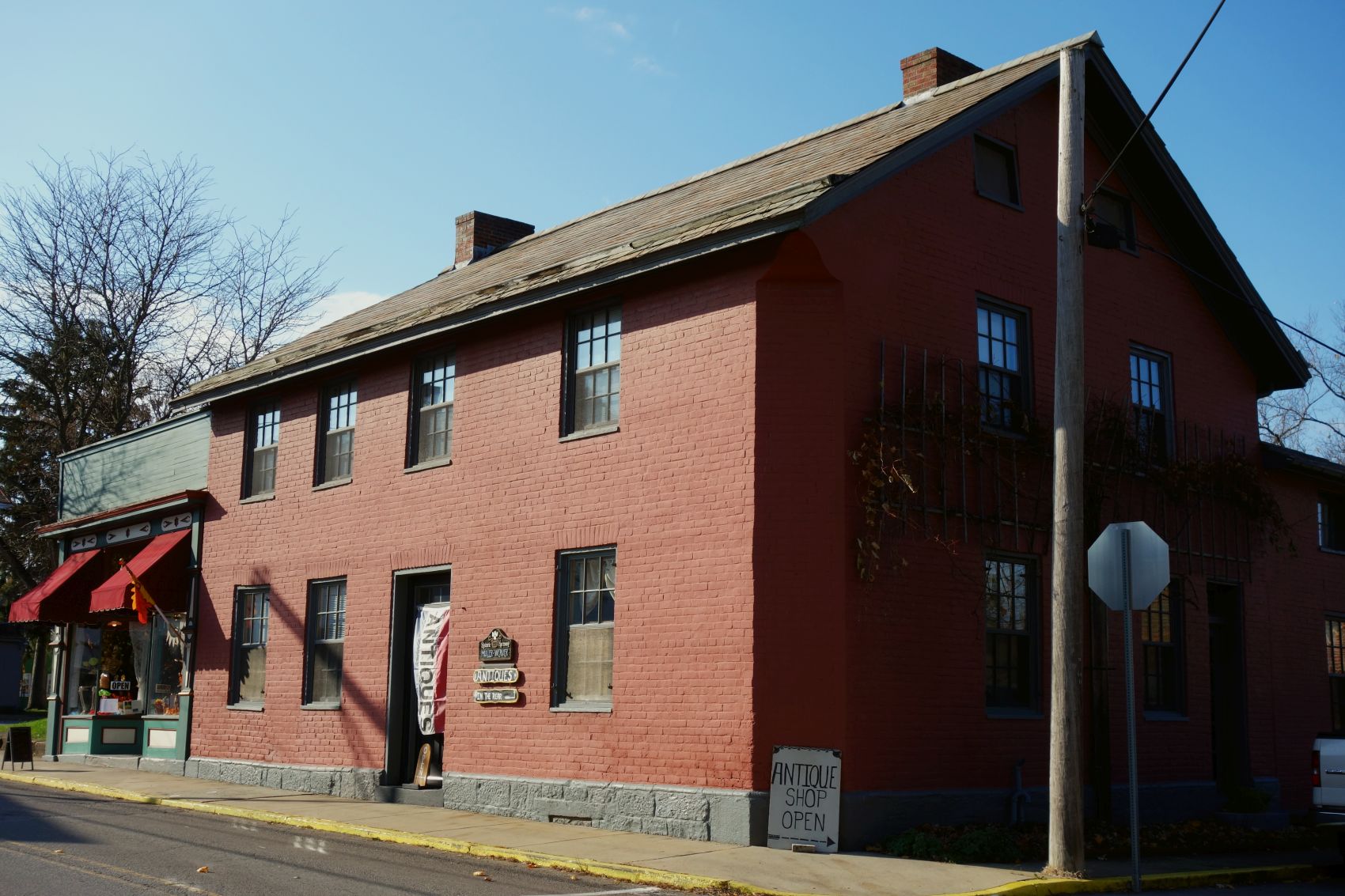
Note the blunt edge on the building below, so traffic could easily make turn:

Mueller-Weaver building, Harmony, PA (2019 photo by Karen)

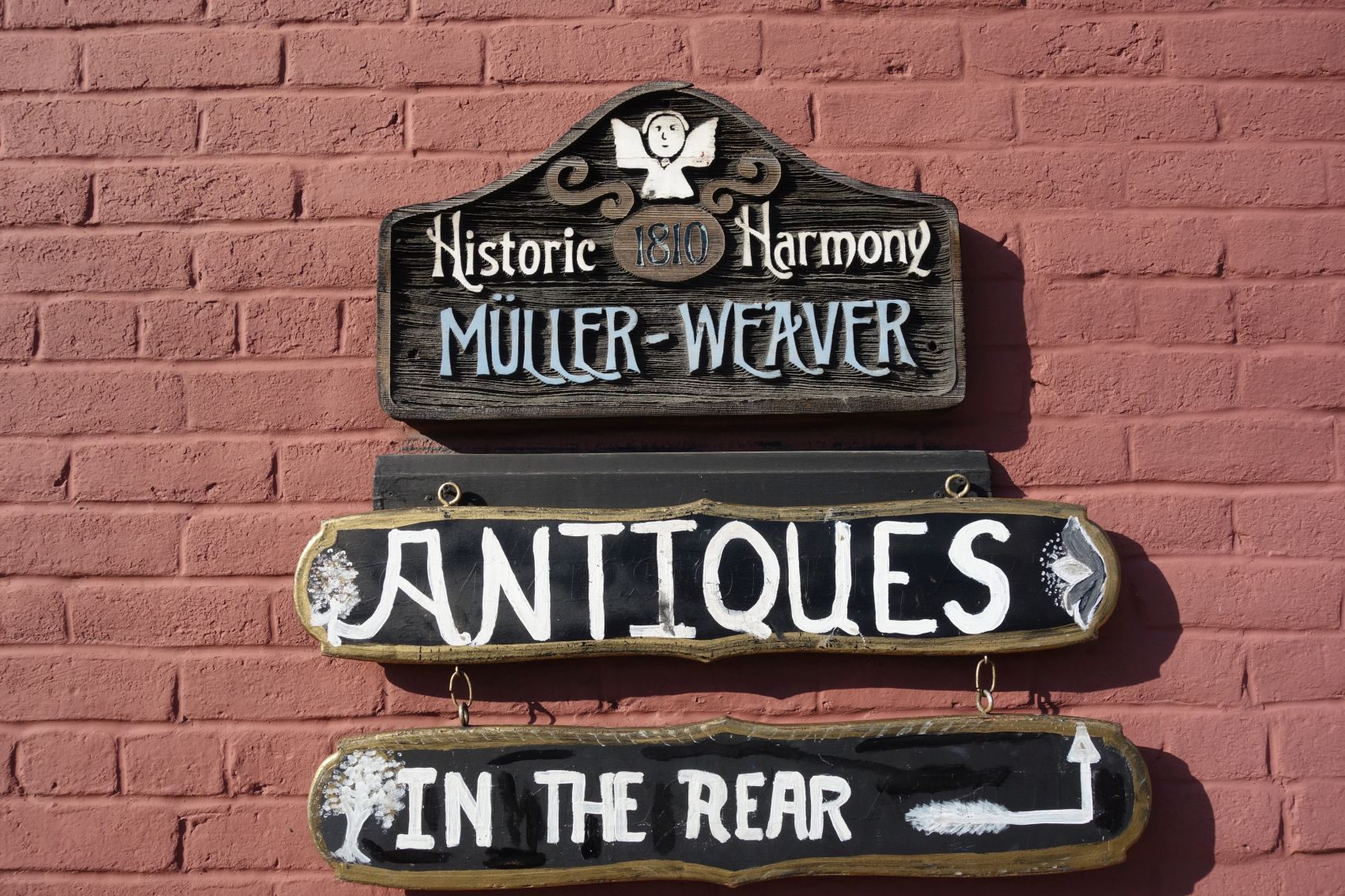
Mueller-Weaver historic sign, Harmony, PA (2019 photo by Karen)

Zeigler log cabin next to brick Harmonist home that Aunt Ruth once owned. Harmony, PA (2019 photo by Karen)

What a nice place to visit! We are looking forward to going back, before another 40 years passes!

[1] “Early American History in Harmony, Pennsylvania,” World Footprints.com, https://worldfootprints.com/early-american-history-in-harmony-pennsylvania/ .

[2] [To read more about our visit to the Harmonist Cemetery]:Tombstone Tuesday—Johannes Rapp,” Karen’s Chatt, 12 Nov 2019.

Tombstone Tuesday–Johannes Rapp

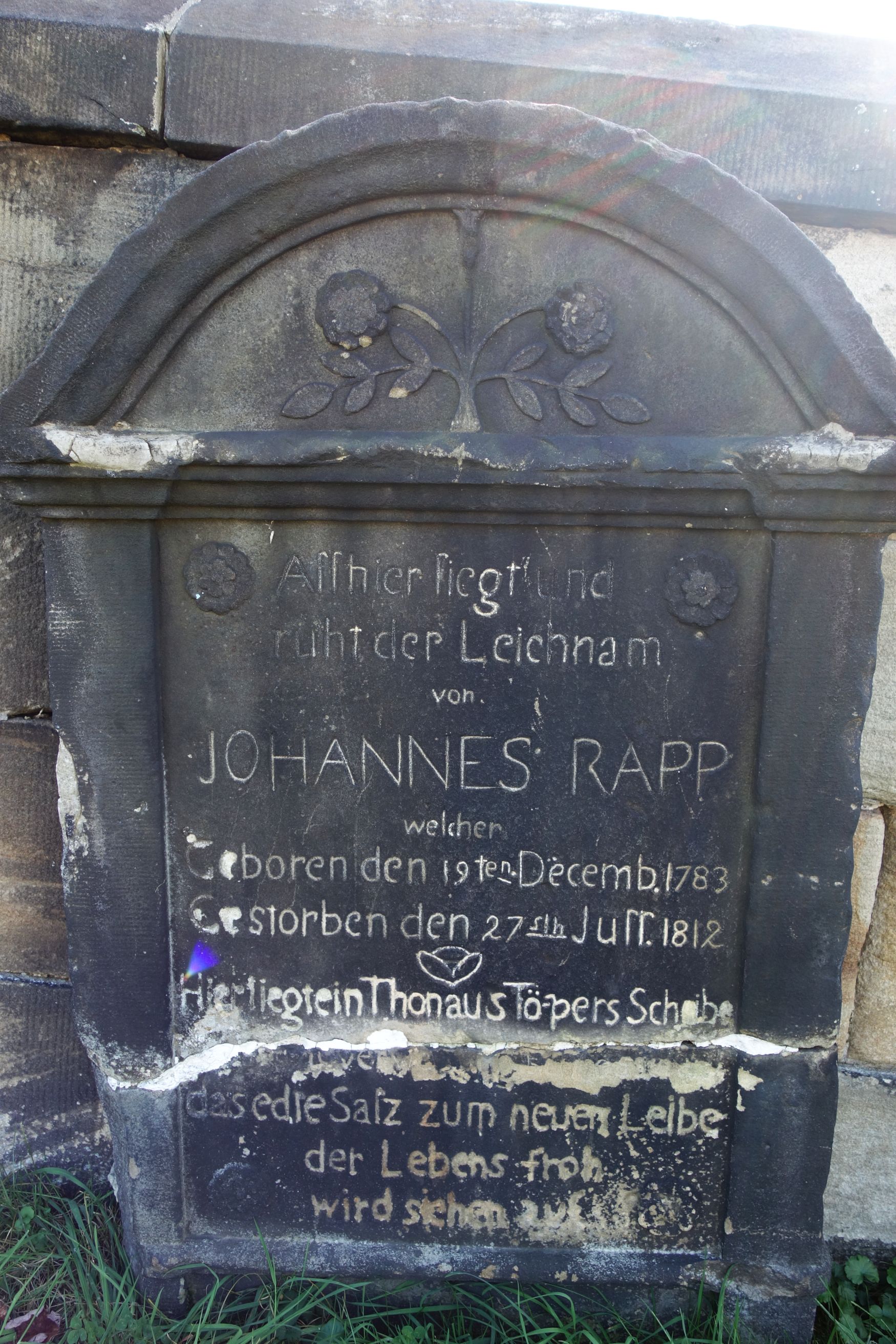
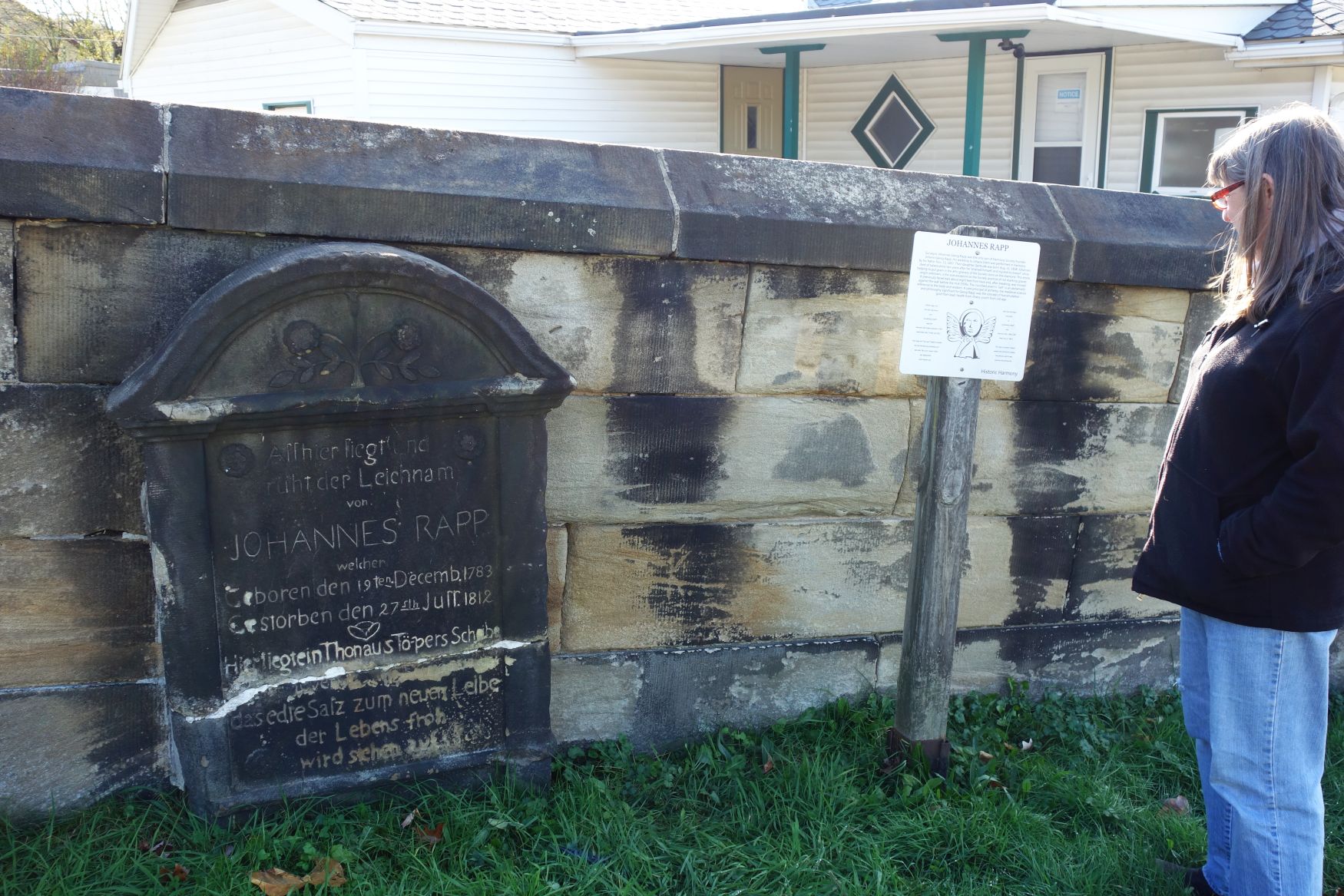
Johannes Rapp, Harmonist Cemetery, Harmony, PA. (2019 photo by Karen)

This is the sole tombstone in the Harmonist Cemetery, located in the town of Harmony, Butler County, Pennsylvania. The marker is inscribed, as translated:

Here lies and rests the body of
Johannes Rapp
Born 19 Dec 1783
Died 27 July 1812

The clay on potter’s wheel
awaits that dissolution reveals
the precious salt of new,
joyously resurrected life.

No, this is not my usual Tombstone Tuesday post. This is not a west central Ohio tombstone.  

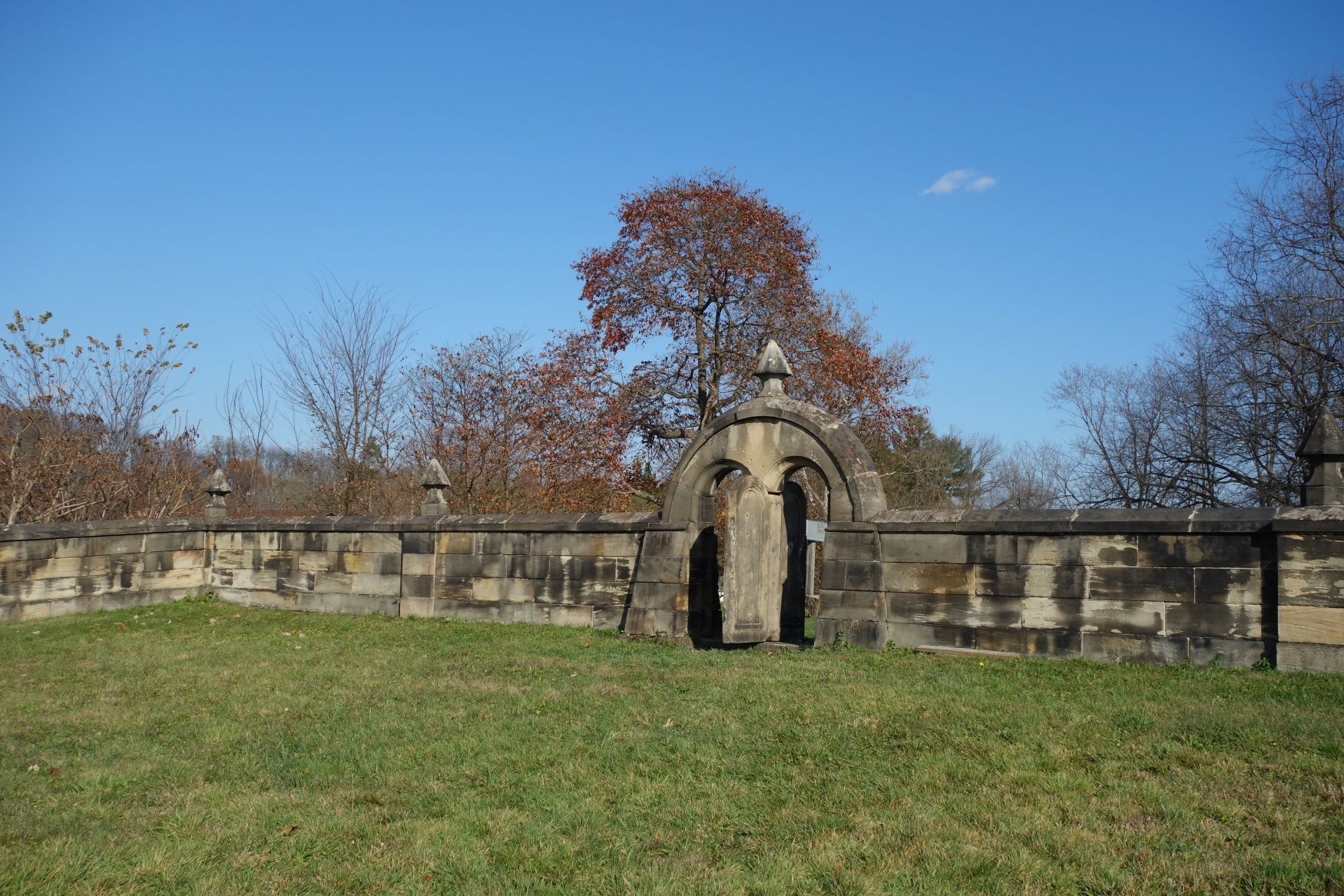
At first glance you would not recognize this area is a burial ground, the final resting place for nearly 100 people. The Harmonist Cemetery looks like a flat grassy area, enclosed by an old limestone wall. The enclosed area is roughly 80 x 140 feet.

Harmonist Cemetery, Harmony, PA. (2019 photo by Karen)

Harmonist Cemetery, Harmony, PA. (2019 photo by Karen)

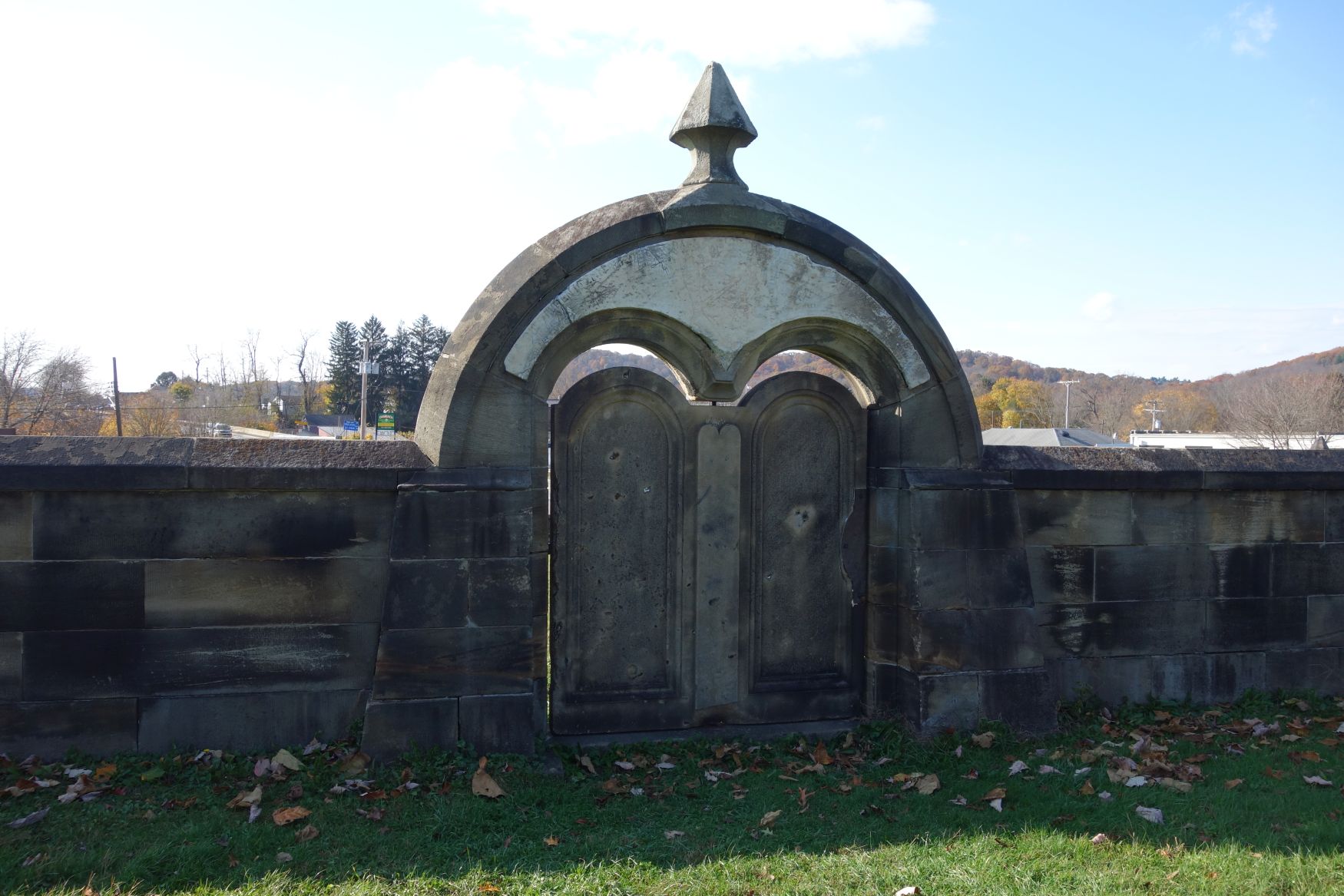
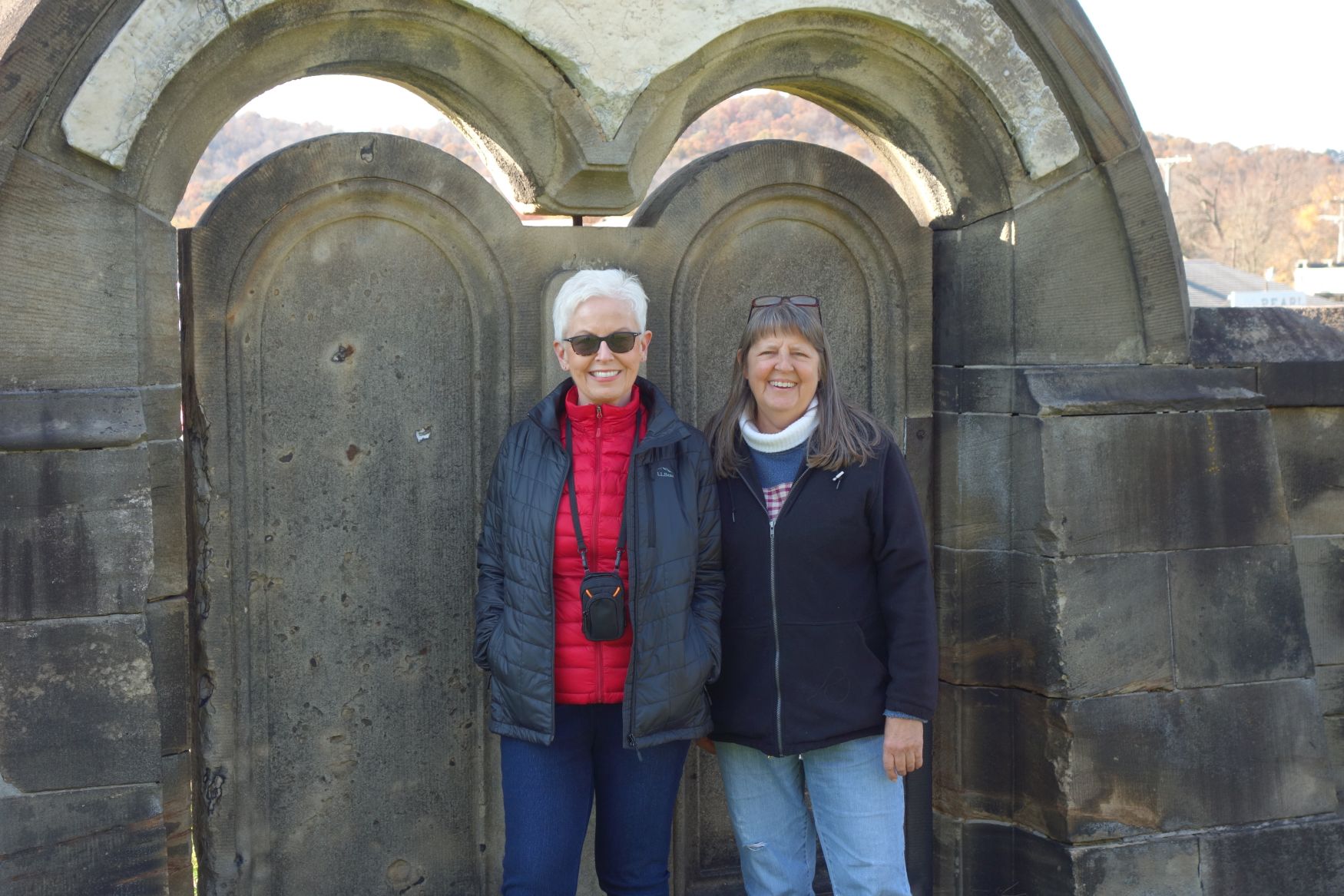
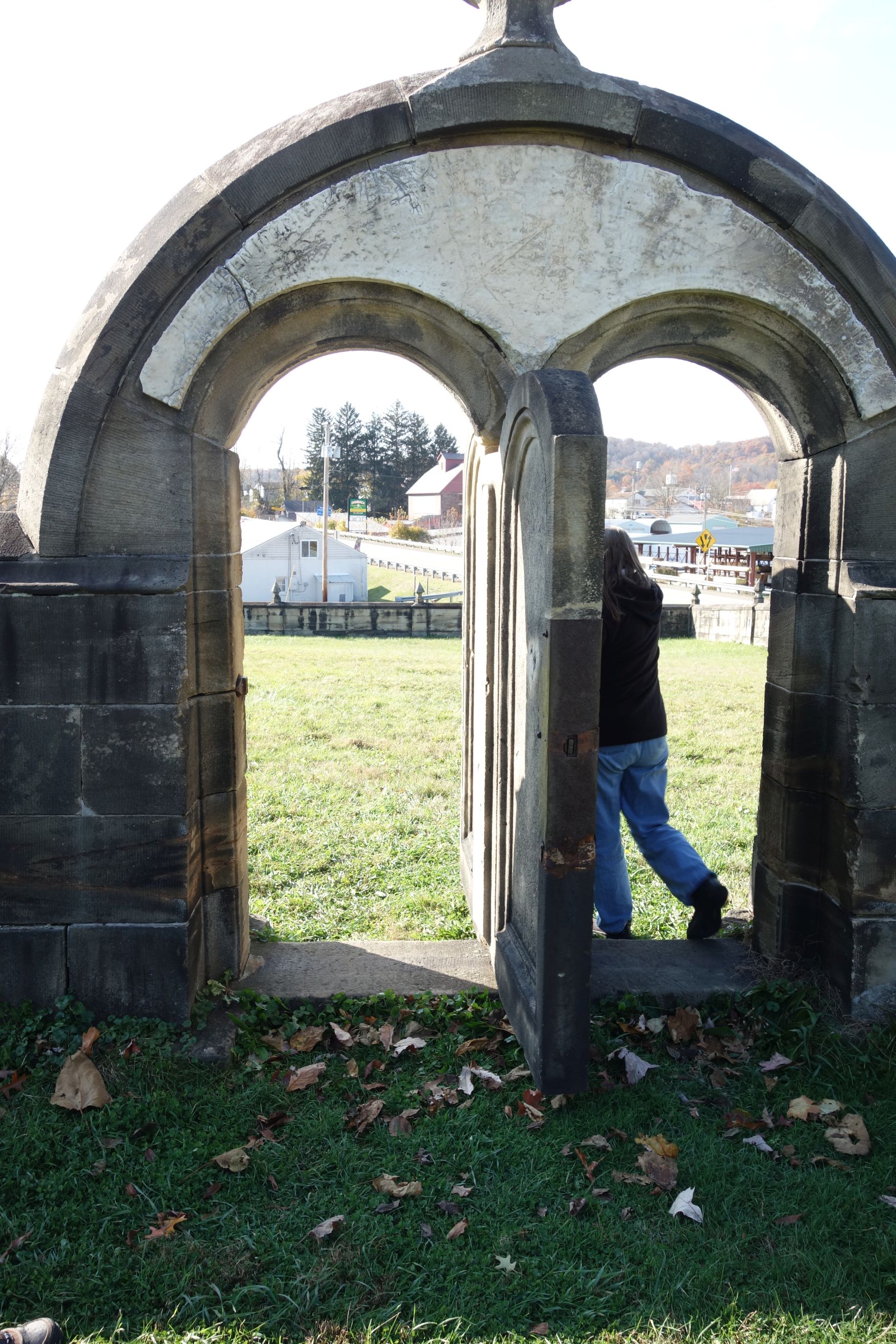
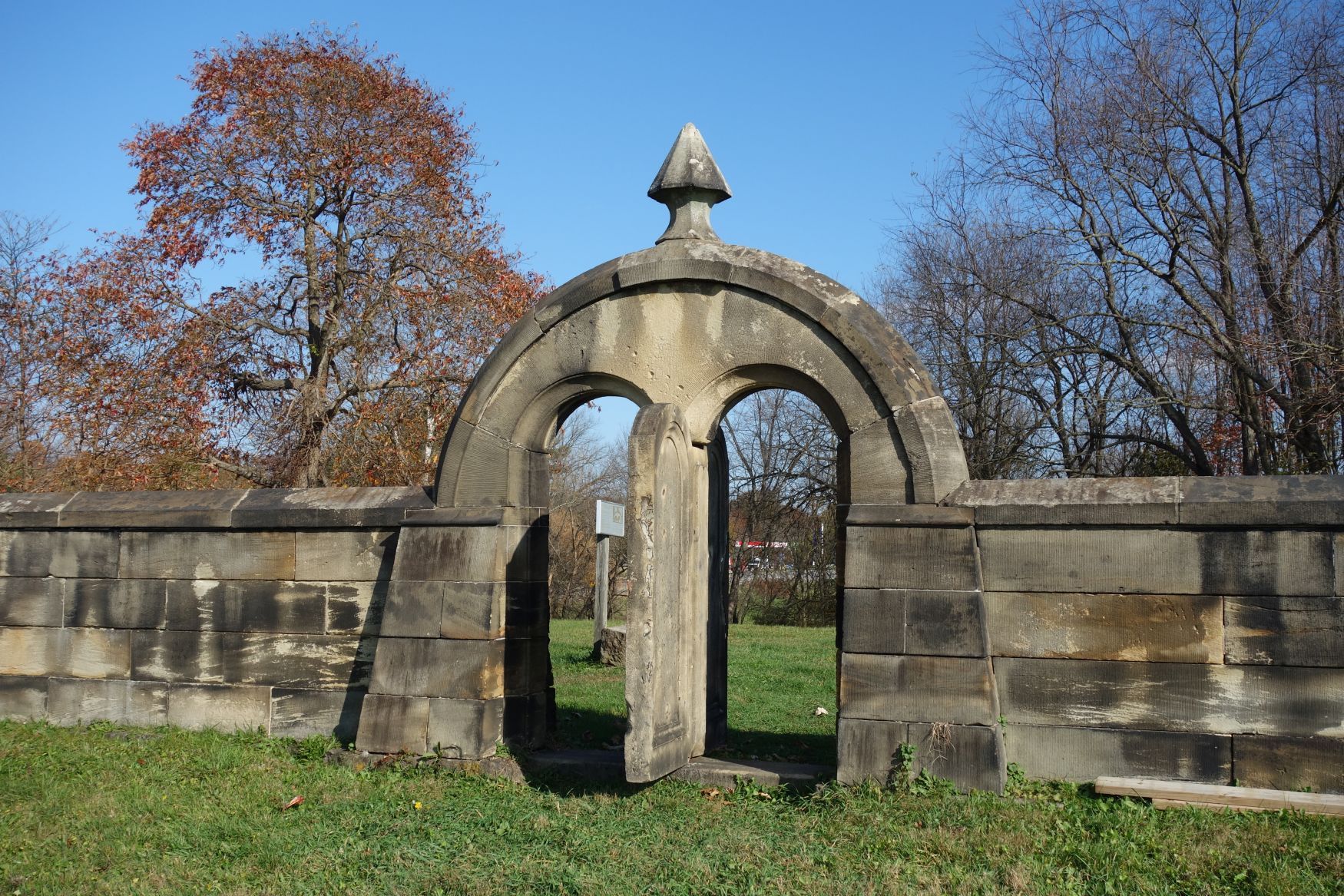
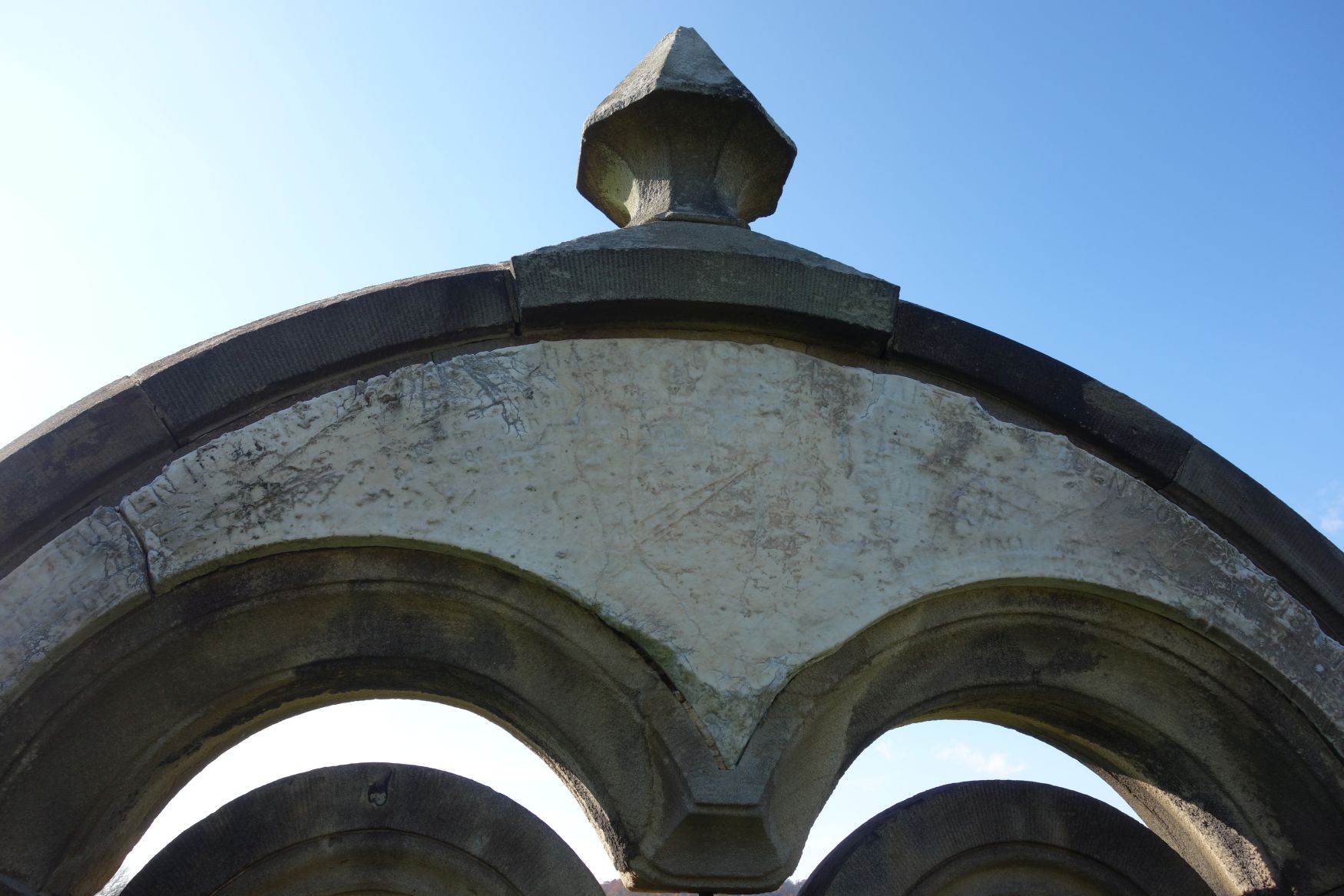
You enter the cemetery through the unique revolving stone gate on the east side. The arch above the stone gate bears an inscription that is no longer legible.

Harmonist Cemetery, Harmony, PA. (2019 photo by Karen)

There is only one tombstone in the cemetery, that of Johannes Rapp, the son of Harmony Society founder George Rapp. The lone tombstone is leaning against the inner south wall.

Johannes Rapp tombstone, Harmonist Cemetery, Harmony, PA. (2019 photo by Karen)

The weekend before last we traveled to Harmony, Pennsylvania, where I gave my Rocks of Ages tombstone talk at the 20th anniversary meeting of the Middle Lancaster Historic Records Committee. My cousin Linda, who lives in Harmony, invited me to speak to the group, who met in a beautifully renovated old one-room schoolhouse. We stayed with Linda a couple days and also had a very nice visit with her mother [my aunt Ruth], who will celebrate her 100th birthday next month.

Karen & Linda, Harmonist Cemetery, 2019.

The weather was very nice when we arrived and Linda was our guide on a walking tour around Harmony. It is a beautiful historic town with many nice old buildings. For years Linda and Ruth have been involved in the Harmony Historical Society and Museum, which preserves the history of the Harmonites.

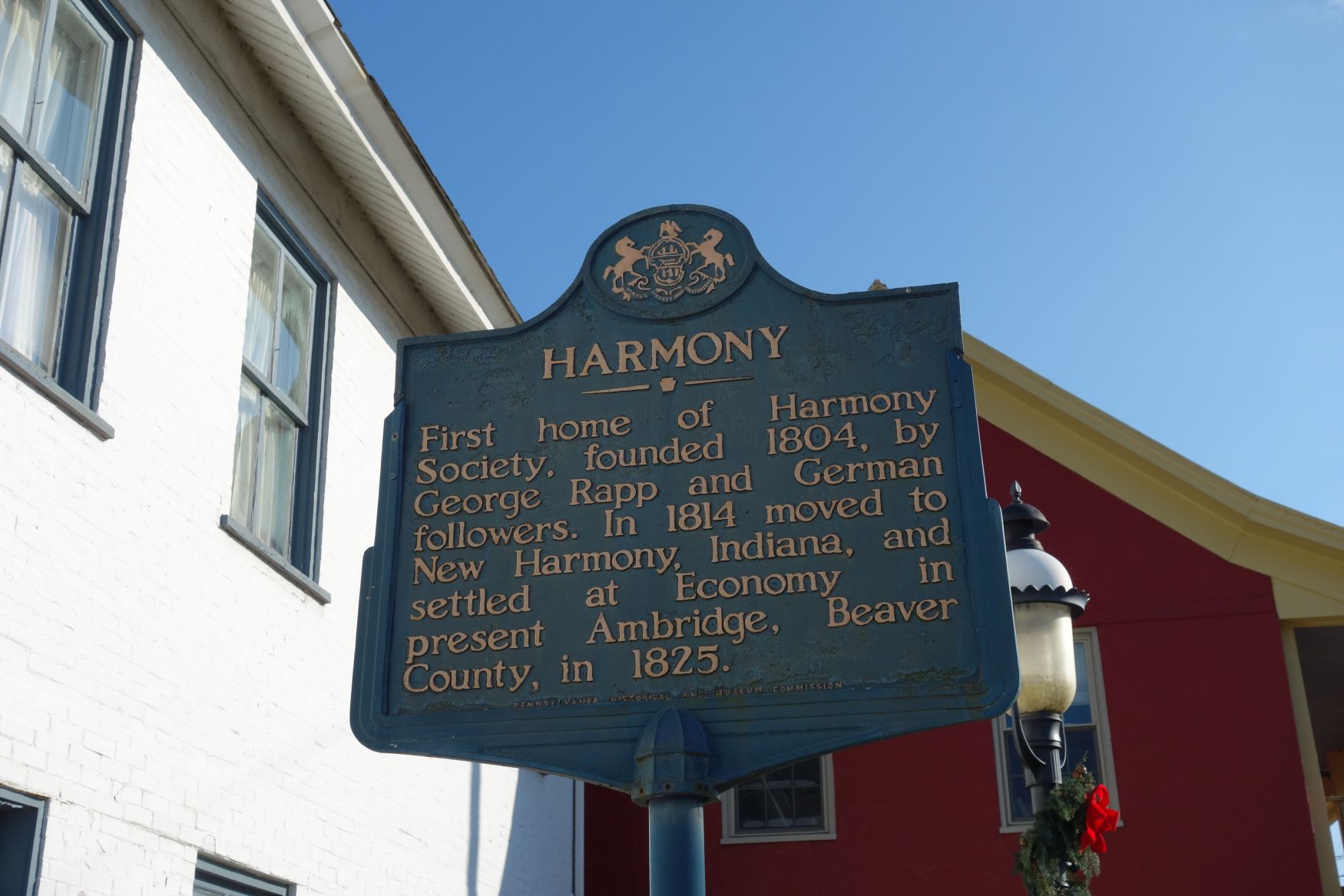
Historical marker, Harmony, PA. (2019 photo by Karen)

The historical sign by the Harmony Museum gives a brief history of the town:

Harmony. First home of Harmony Society, founded 1804, by George Rapp and German followers. In 1814 moved to New Harmony, Indiana, and settled at Economy in present Ambridge, Beaver County, in 1825.

George Rapp, from Wuerttemberg, came to America seeking religious freedom for himself and his followers, called Harmonists. The group was a communal society.

In 1814 the Harmonists sold the town of Harmony to the Mennonites and moved to Indiana Territory, where they founded town of New Harmony, along the Wabash River. They moved back to Pennsylvania in 1824 and founded the town of Economy, but since they chose a celibate lifestyle, they eventually died out. The Mennonite community lasted in Harmony until 1904.

But what about this cemetery with only one tombstone?

The Harmonists’ funeral services were simple and brief. They prayed over the body and sprinkled the body with flower petals to symbolize eternal life. Then they buried the body without marking it with a tombstone.

About 100 Harmonists are buried in the Harmonist Cemetery but only one has a tombstone. That one tombstone records the life and death of Johannes Rapp, son of the Society’s founder George Rapp. The marker leans against the south wall and does not really mark his grave.

The marker was donated by a non-Harmonist after Johannes Rapp was killed in an industrial accident in 1812. The Society reluctantly accepted the donation. 

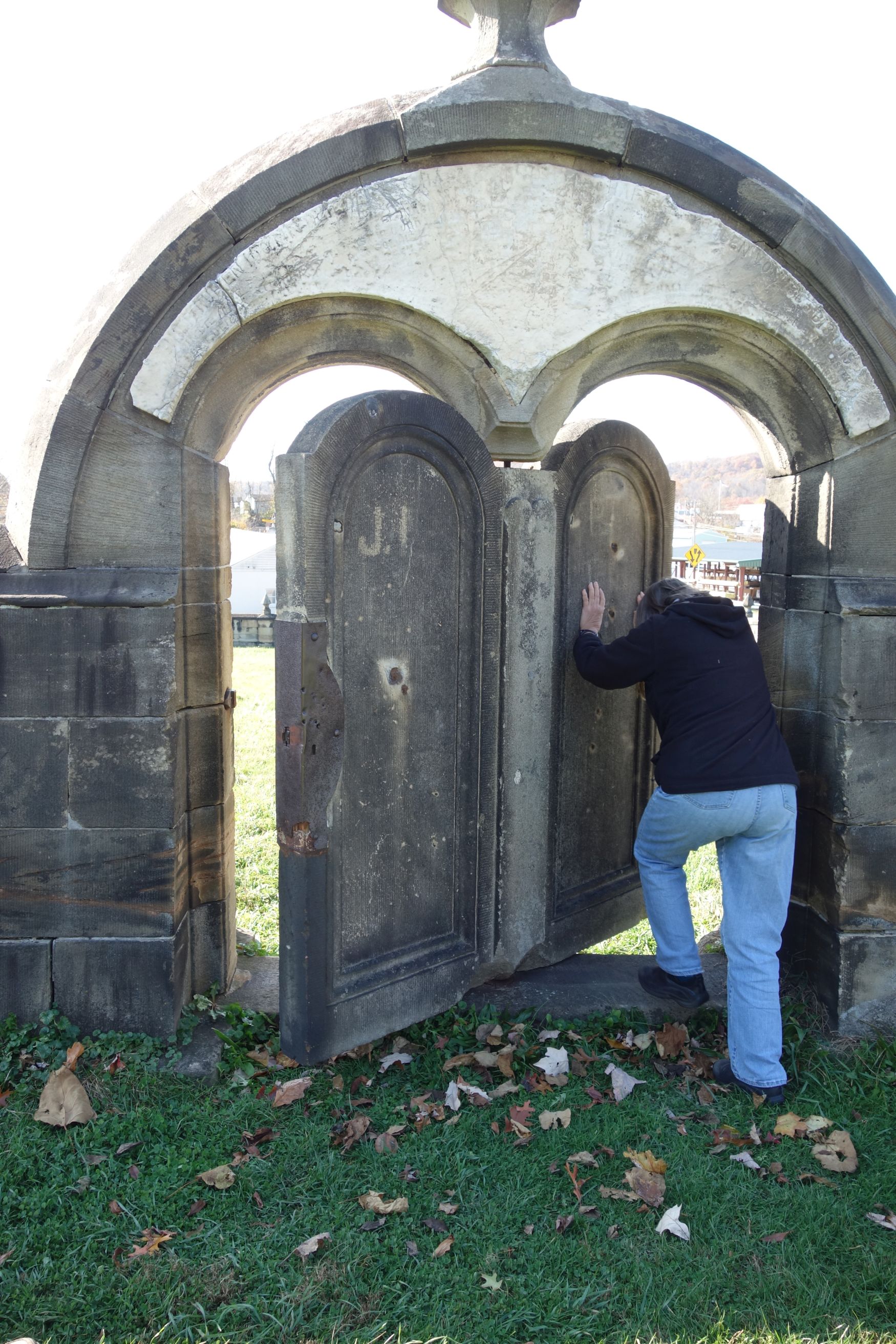
Revolving gate, Harmonist Cemetery, Harmony, PA. (2019 photo by Karen)

Revolving gate, Harmonist Cemetery, Harmony, PA. (2019 photo by Karen)

Harmonist Cemetery, Harmony, PA. (2019 photo by Karen)

In 1869 the Mennonites built the limestone wall around the Harmonite Cemetery. The entrance to the cemetery is a very unique revolving stone gate, symbolizing the soul’s entrance into the afterlife. The gate weighs about a ton but will open with moderate pressure. Supposedly the gate will open with just one finger, but my cousin Linda had to apply a little more pressure to open it.

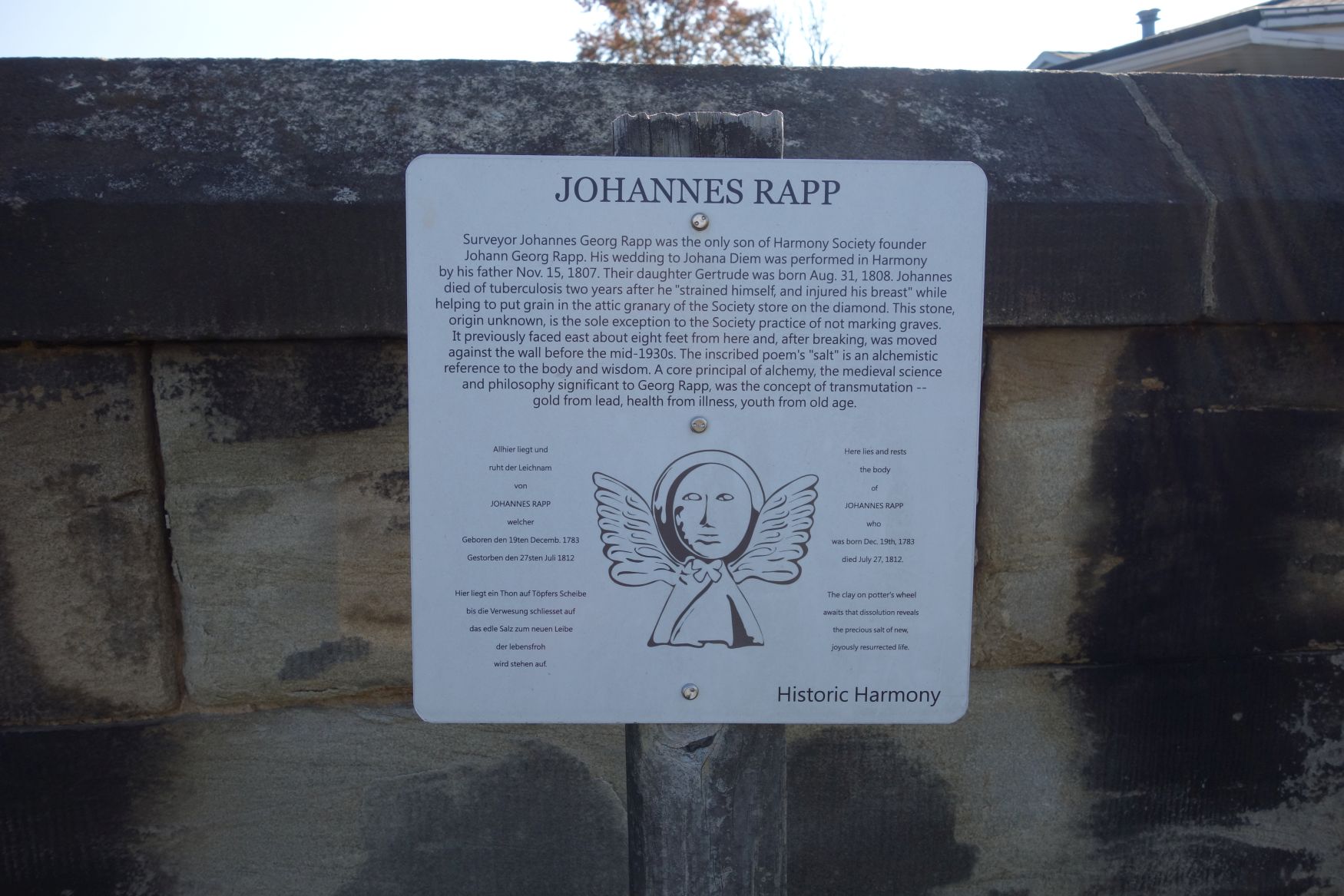
Johannes Rapp, Harmonist Cemetery, Harmony, PA. (2019 photo by Karen)

On the historical sign by Rapp’s the tombstone:

Surveyor Johannes Georg Rapp was the only son of Harmony Society founder Johann Georg Rapp. His wedding to Johana Diem was performed in Harmony by his father Nov. 15, 1807. Their daughter Gertrude was born Aug. 31, 1808. Johannes died of tuberculosis two years after he “strained himself, and injured his breasts” while helping to put grain in the attic granary of the Society store on the diamond. This stone, origin unknown, is the sole exception to the Society practice of not marking graves. It previously faced east about eight feet from here and, after breaking, was moved against the wall before the mid-1930s. The inscribed poem’s “salt” is an alchemistic reference to the body and wisdom. A core principal of alchemy, the medieval science and philosophy significant to Georg Rapp, was the concept of transmutation—gold from lead, health from illness, youth from old age. [The tombstone inscription is written.]

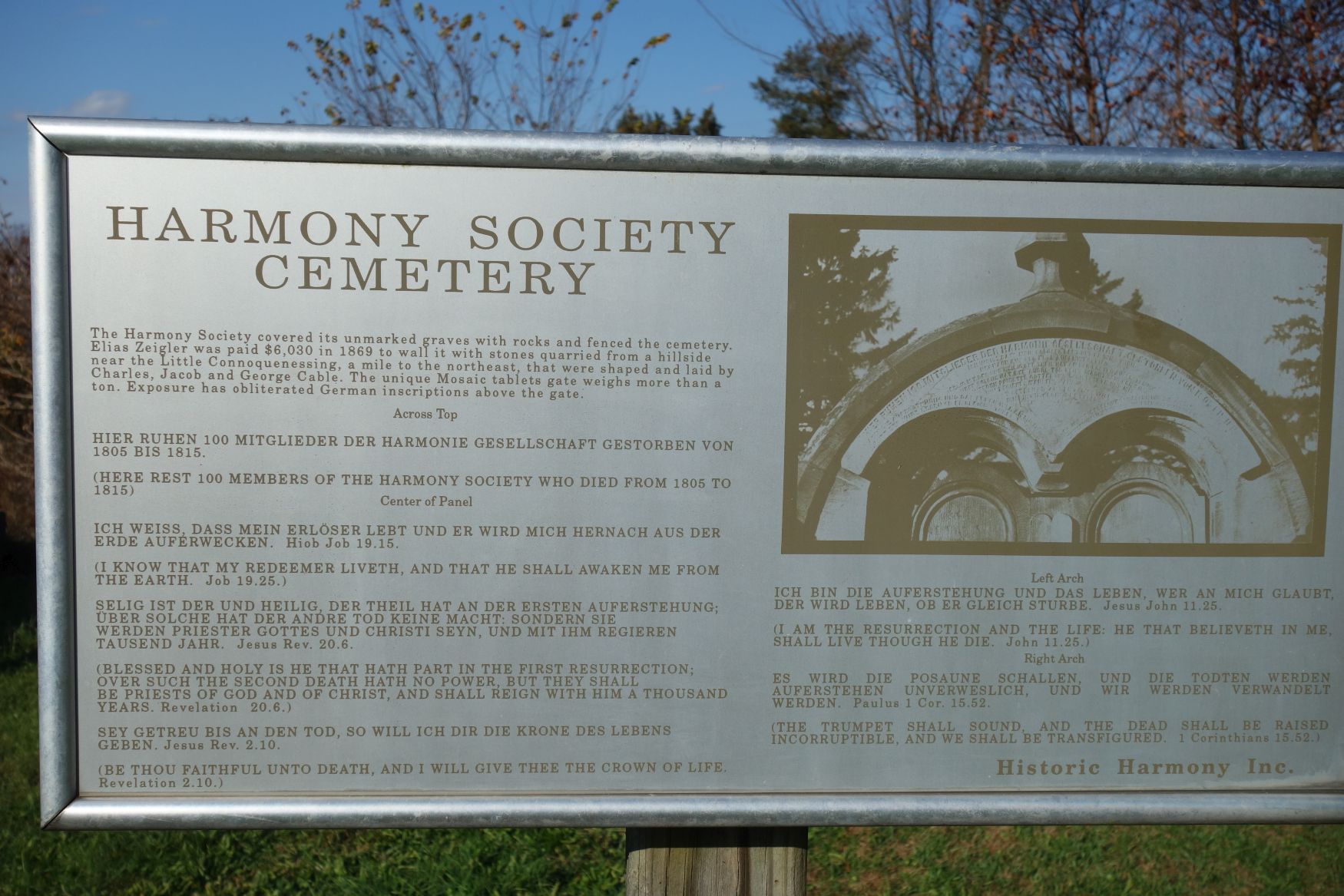
Sign outside Harmonist Cemetery, Harmony, PA. (2019 photo by Karen)

Sign outside the cemetery entrance, as translated:

HARMONY SOCIETY CEMETERY
The Harmony Society covered its unmarked graves with rocks and fenced the cemetery. Elias Zeigler was paid $6,030 in 1869 to wall it with stones quarried from a hillside near the Little Connoquenessing, a mile to the northeast, that were shaped and laid by Charles, Jacob and George Cable. The unique Mosaic tablets gate weight more than a ton. Exposure had obliterated German inscriptions above the gate.

Across Top:
Here rest 100 members of the Harmony Society who died from 1805 to 1815

Center Panel:
I know that my Redeemer liveth, and that he shall awaken me from the earth. Job 19:25

Blessed and Holy is he that hath part in the first resurrection; over such the second death hath no power but they shall be priests of God and of Christ, and shall reign with Him a thousand years. Revelation 20:6

Be thou faithful unto death and I will give thee the crown of life

Left Arch:
I am the resurrection and the life. He that believeth in me shall live though he die. (John 11:25

Right Arch:
The trumpet shall sound, and the dead shall be raised incorruptible, and we shall be transfigured. 1 Corinthians 15:52

Arch above revolving gate, Harmonist Cemetery, Harmony, PA. (2019 photo by Karen)

A Story for Veterans Day

This coming Monday, 11 November 2019, we commemorate Veterans Day. Originally called Armistice Day, Veterans Day was created to recognize of the end of World War I. Fighting between the Allied nations and Germany ceased on the 11th hour of the 11th day of the 11th month in 1918. That date is generally regarded as the end of “the war to end all wars.”  Veterans Day was made a legal holiday in 1938. Now we take the day to honor all U.S. military veterans.

I posted the following blog post for Veterans Day 2013. I am re-posting it today because it is one of my favorite family stories concerning my dad, WWII veteran Herb Miller.

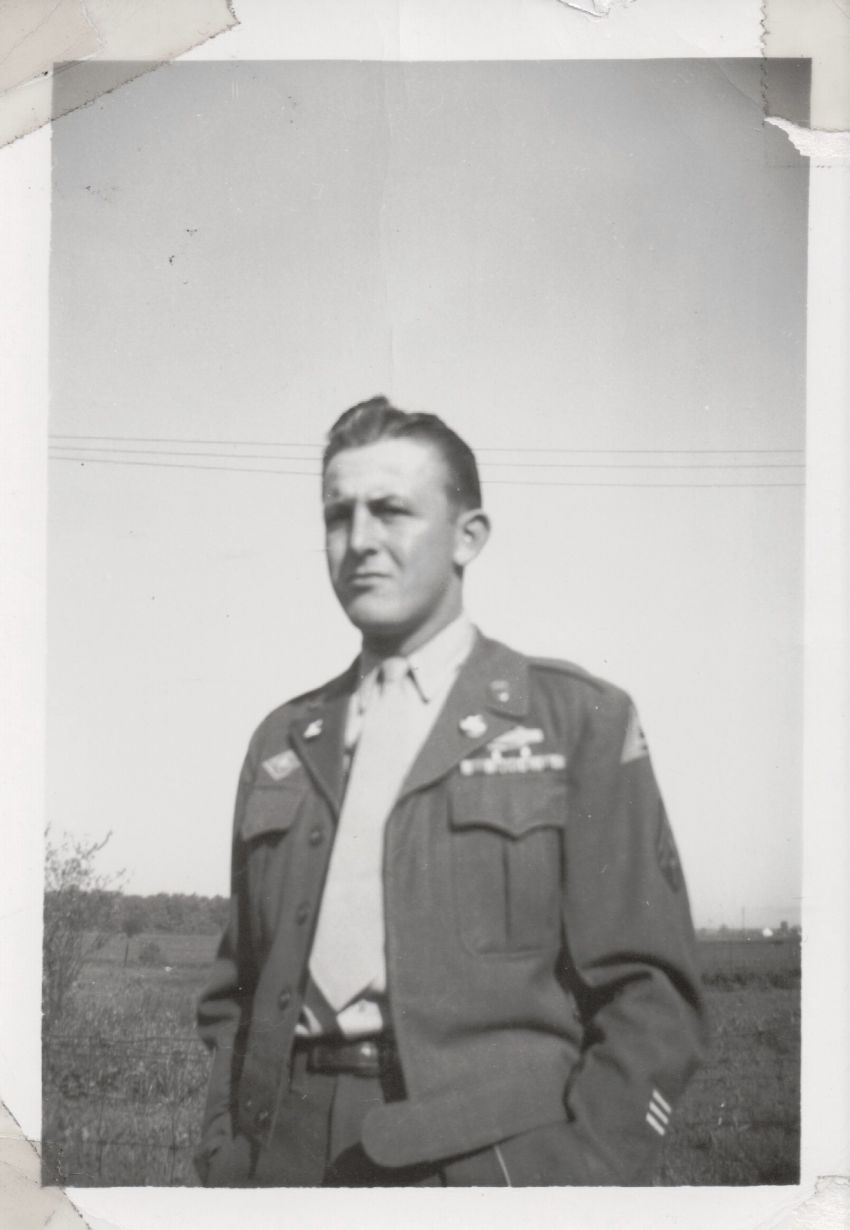
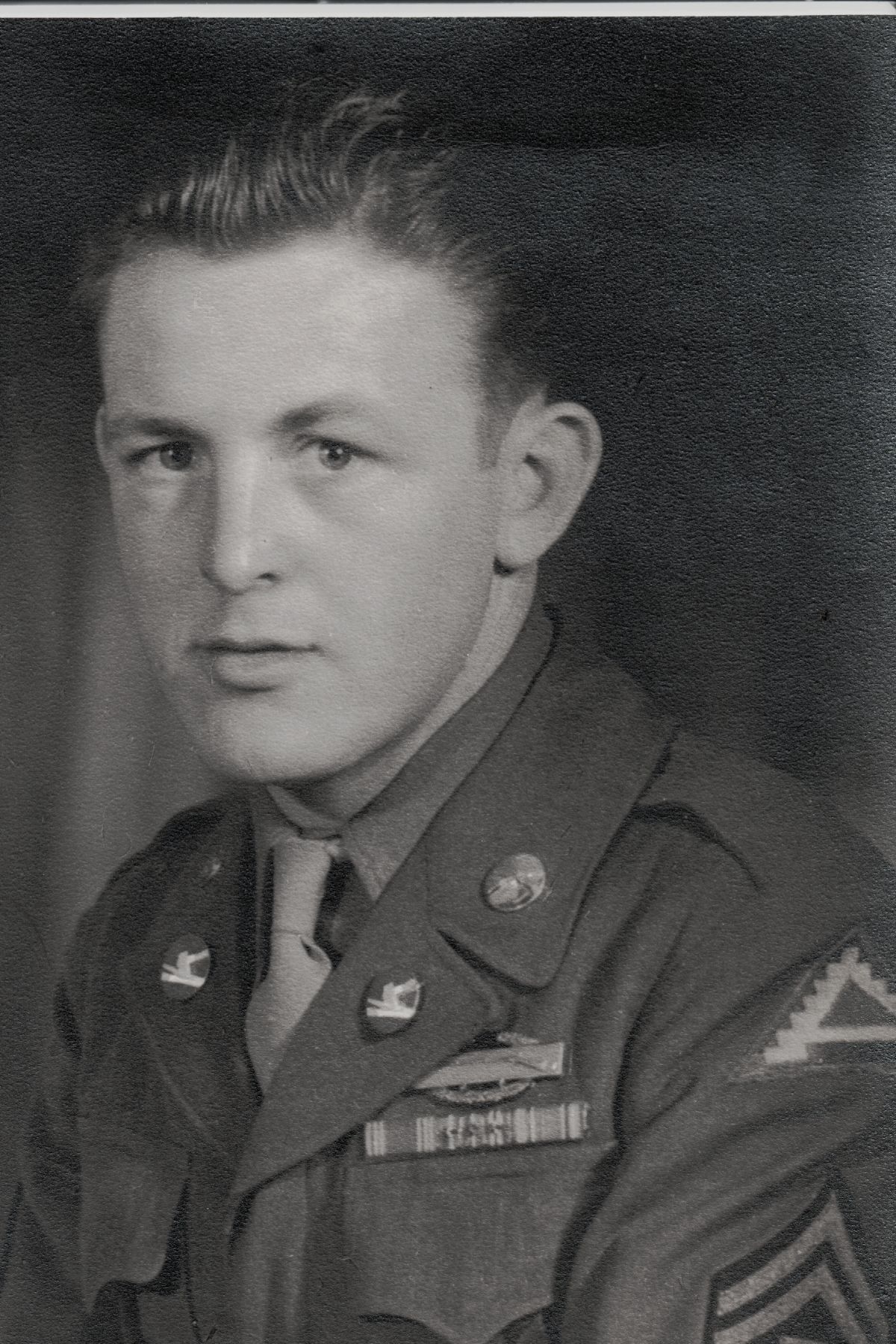
PFC Herb Miller, WWII.

One of the great things about writing family history blog posts is being contacted by distant relatives from all over the world. Last summer [2013] I received an e-mail from Friedemann, a distant Rueck relative who lives in Germany. We shared family information and discovered that we both had knowledge of the following story that occurred in Germany during World War II.

My dad’s grandparents, Jacob and Christena (Rueck) Miller were German immigrants. Christena Rueck (1858-1945) immigrated about 1880 with her immediate family—her daughter, parents, siblings, and her male cousin.

The Ruecks were from the Crailsheim and Appensee area of Württemberg, and according to Friedemann, one of the main reasons they left Germany was the lack of farmland on which to raise their large family. Our branch of the family immigrated but many Rueck relatives remained in Germany. All through the years Christena and her family in America kept in contact with their Rueck relatives across the ocean.

Christena (Rueck) Miller with daughter Clara (c1900)

Jacob Miller passed away in 1918 and after that his widow Christena (Rueck) lived with my dad’s family for a while on the Miller farm. She was still living when my dad went off to Germany to fight in WWII.

My dad said that his grandmother Christena told him he should visit some of his Rueck relatives while he was in Germany. She specifically mentioned her first cousin, Babette “Barbara” (Rueck) Leiberich, who was also my dad’s great-aunt and Friedemann’s great-grandmother.

At some point, when my dad was in Germany during the war [more likely during the occupation time after the war] he took a train to Barbara’s home, introduced himself, and stayed there overnight. During the visit he also met some Rueck cousins. I am not sure when or how he managed this visit.

I mentioned this story to Friedemann in one of my e-mails and asked him if he had ever heard anything about this incident. He said that he had heard the very same story from his mother!

His mother told him that one night after the war an unknown American soldier knocked on Barbara Leibrich’s door. The soldier went on to explain that he was a Rueck descendant and that his grandmother was Christena Rueck, who had immigrated to America decades before.

That young American soldier was my dad.

Herb Miller, US Army, WWII.

Friedemann believes that Barbara was probably at the home of relatives in Appensee at that time because Barbara’s house in Crailsheim had been completely destroyed during the war. Barbara may have written Christena about her house and told Christena where she was living after it was destroyed.

Back then, none of the Ruecks in Germany spoke any English and Friedemann supposes that his mother was the translator. She would have been about 15 years old at the time and was a good English student.

Friedemann said that one April during the war the Americans reached the old and beautiful city of Crailsheim and conquered it without resistance. But several days later fanatic Nazi troops came and took the town back. He said many American soldiers died during the fighting and the center of the city was completely destroyed. That was probably when Barbara’s home and all her possessions, including family papers, were destroyed.

It is a tragedy to think that relatives may have fought other relatives during the war. Friedemann mentioned that several Rueck family members, including his uncle, died during the war.

Rueck sisters in Germany, bef. 1942. Left to right, front: Barbara, Rosine; back: Margarete, Regina.

While e-mailing Friedemann I discovered that we also have another connection. My cousin and her mother [my aunt—my dad’s sister] visited Friedemann and his family in 1970. What a small world!

We owe all of our veterans a big Thank You for their service to our country.

Remember to thank a veteran this coming Veterans Day and remember those veterans who are no longer with us.